
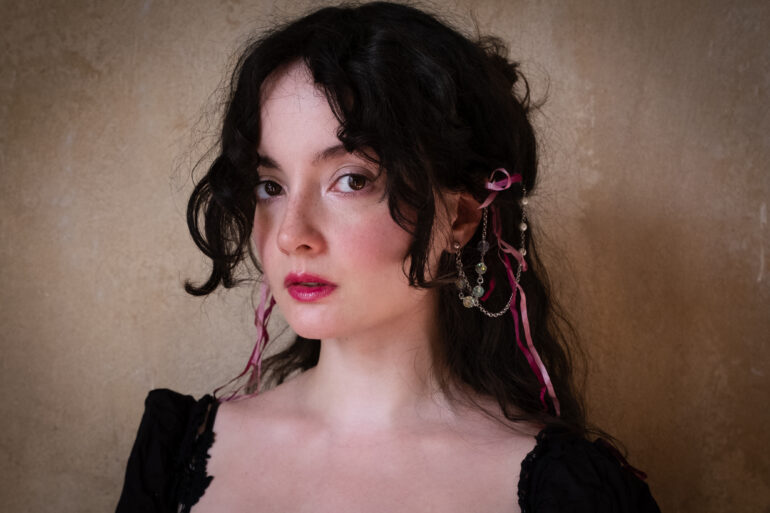
 Photo © by Mona Najma
Art and Content with Glória de Oliveira
When I went to the living room this afternoon, the TV was on. All of a sudden, I felt really weird. Probably because it was a variety show, not a…
Photo © by Mona NajmaWhen I went to the living room this afternoon, the TV was on. All of a sudden, I felt really weird. Probably because it was a variety show, not a…
 Photo © by Michelle Hu
I recently returned to listening to the music of John Coltrane. I’ve always loved Trane and still consider him one of my most beloved creative ancestors. This time, something new is clicking into place: the way that Coltrane navigates time.
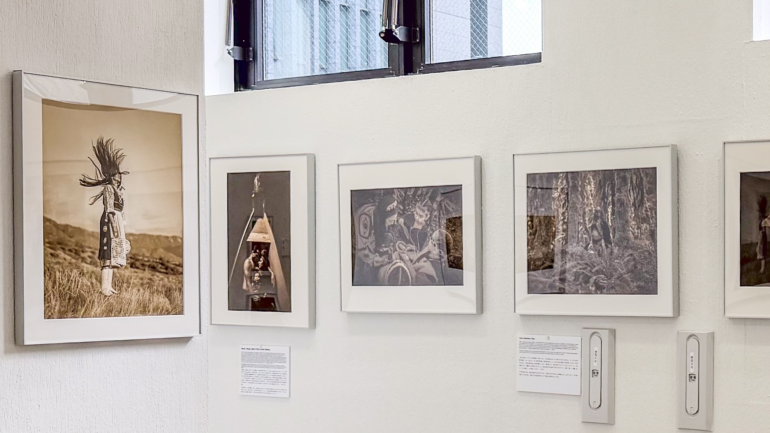
The moment I stood before Forever Free with Wind in My Hair by Zoë Marieh Urness (far left in the image above) at the Life Is Art Is Motherhood Is…
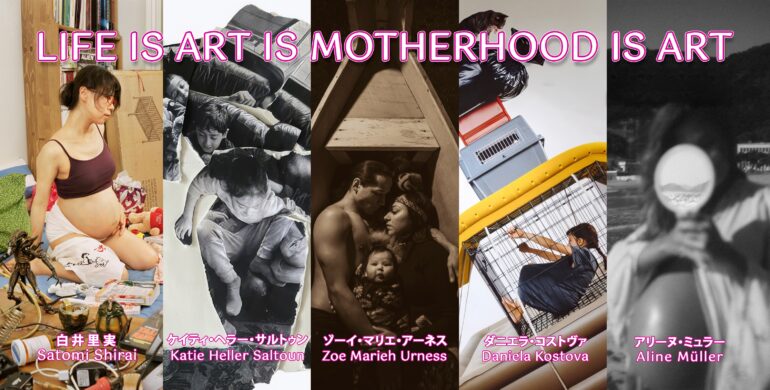
“LIFE IS ART IS MOTHERHOOD IS ART.” The title alone immediately drew me in. To me, it seemed to suggest that life itself is art, motherhood is art, everyday life is…
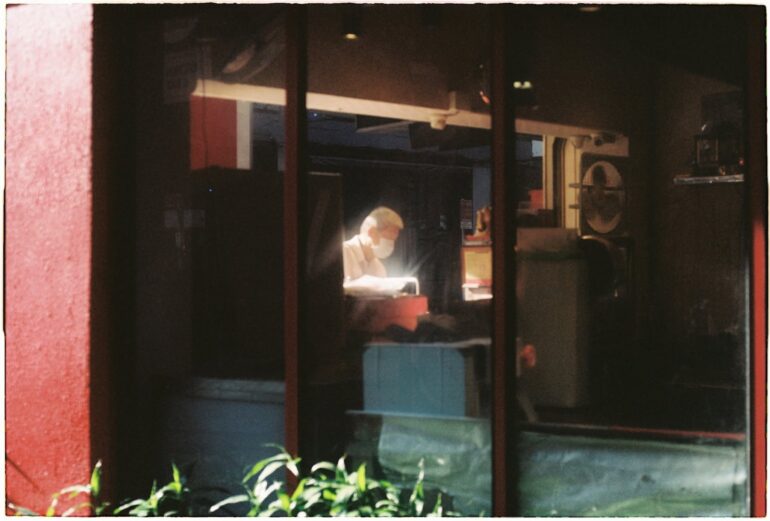 Photo © by Hai Yen Ho
It was an unusual way to begin a morning in Taipei: waking to the sound of rain pounding against the glass wall of a five-star hotel in the heart of…

Talking to Dae feels like rewiring my thoughts. When he described the connection between philosophy and music, I immediately related to his lived experience. He is someone who is creating his own way of living.
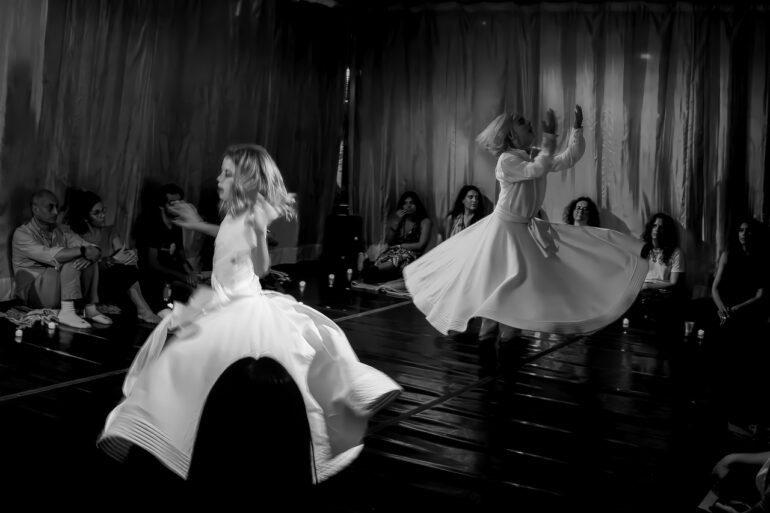
I became the sole child member of a Sufi whirling group. I was introduced to “Sama,” a word that translates to “listening” and, in my experience, involves the redirection of attention to achieve deeper connection.
When I realized that I wanted to be a writer, comics criticism became an outlet for the point of view I had developed over a lifetime. In 2019 Daniel Elkin, Alex Hoffman, Ryan Carey, and I formed Fieldmouse Press.

In a season marked by a surge of Asian-led theater in New York, director and playwright Tara Nyingyè is carving out her own luminous path. As part of a new generation building not only productions but institutions, she and her collaborators are reshaping what contemporary theater can look and feel like — urgent, embodied, and unmistakably alive.
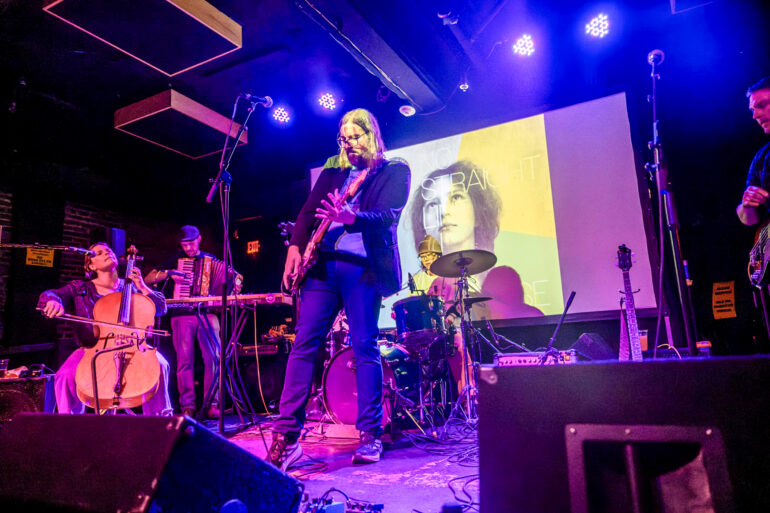 Photo © by CydScottPhoto
Paul Hansen is the person who inspired me to explore this theme I call Art of Life. When we last talked on Zoom, he said something that stayed with me: artists have to find their own way to live because no two lives unfold the same way. In this interview, Paul repeated that the essence of life is a long chain of decisions made based on one's own aesthetic sense, and that is what it means to be an artist.
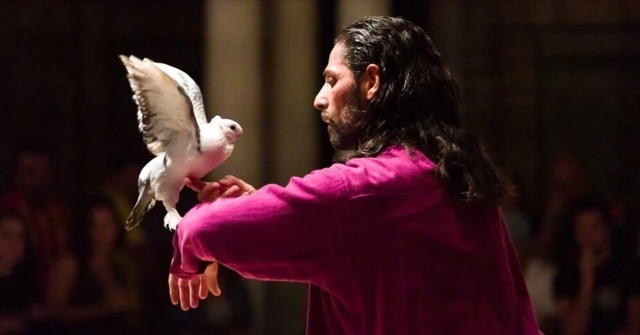 Photo © by Pol Guillard, L’Art Rue-Dream City 2025
At the Aichi Triennale 2025, one experience stood out as a shared highlight for our group of thirteen: Bird by the brother-and-sister team Selma and Sofiane Ouissi. Doves make no effort to “collaborate” or to “create a good work.” For this reason, Sofiane must have needed a radically different reconstruction of bodily context than in dancing solo or with another human. That was what I wanted to witness.
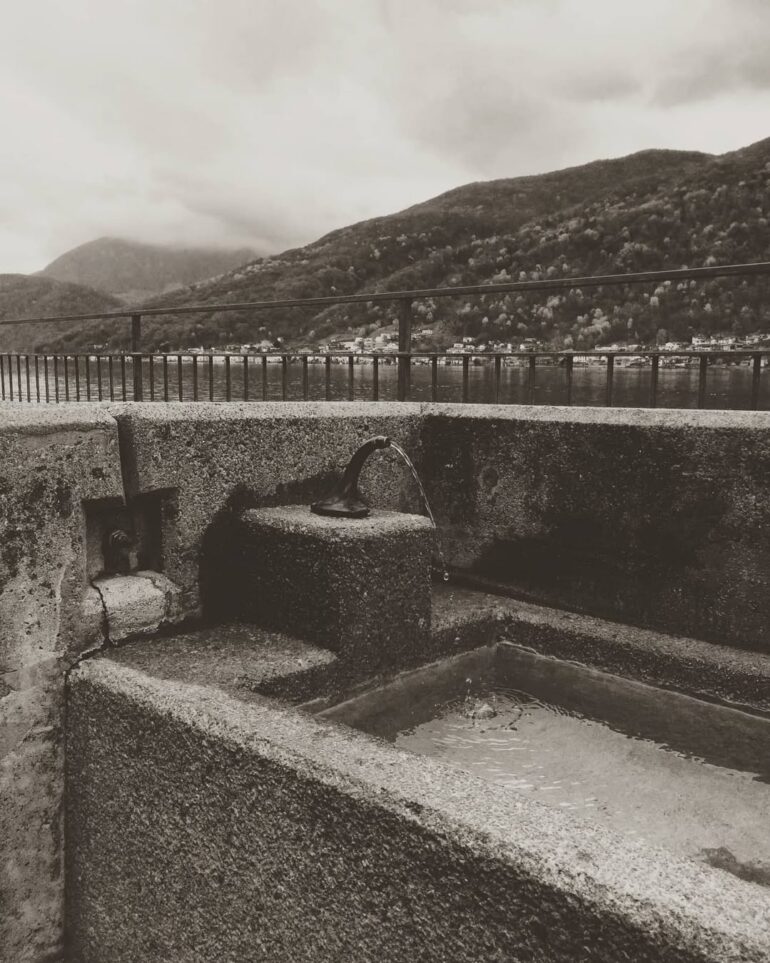 Photo © by Hai Yen Ho
Perhaps it was a kind of revelation when I realized what I longed for was a lake. A still lake, shrouded in mist — peaceful, yet faintly uncanny. And Morcote, by Lake Lugano, appeared as the answer, after just a few seconds of searching on my computer.