
by Francesca Asher | May 20, 2026 | Dance
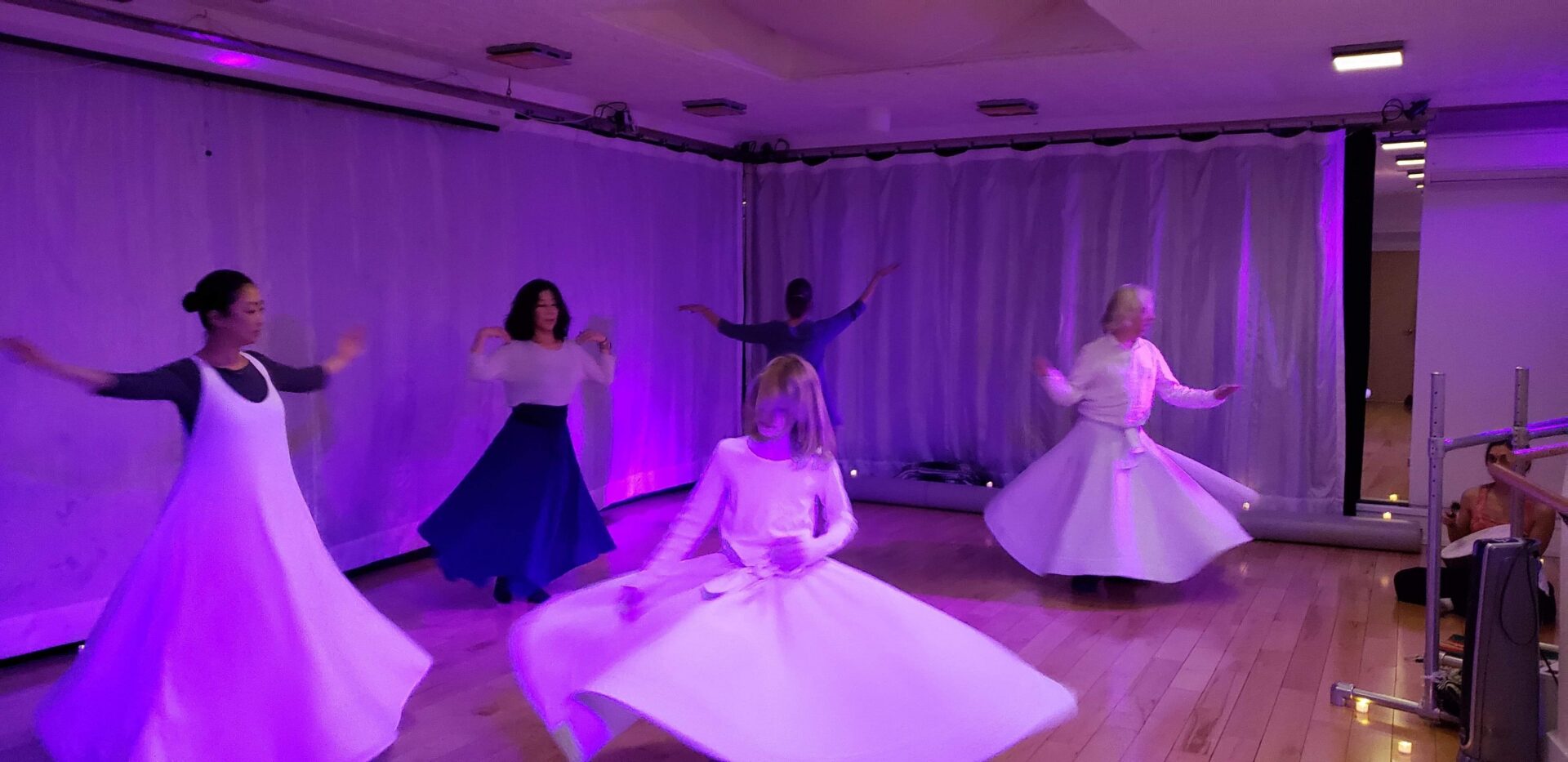
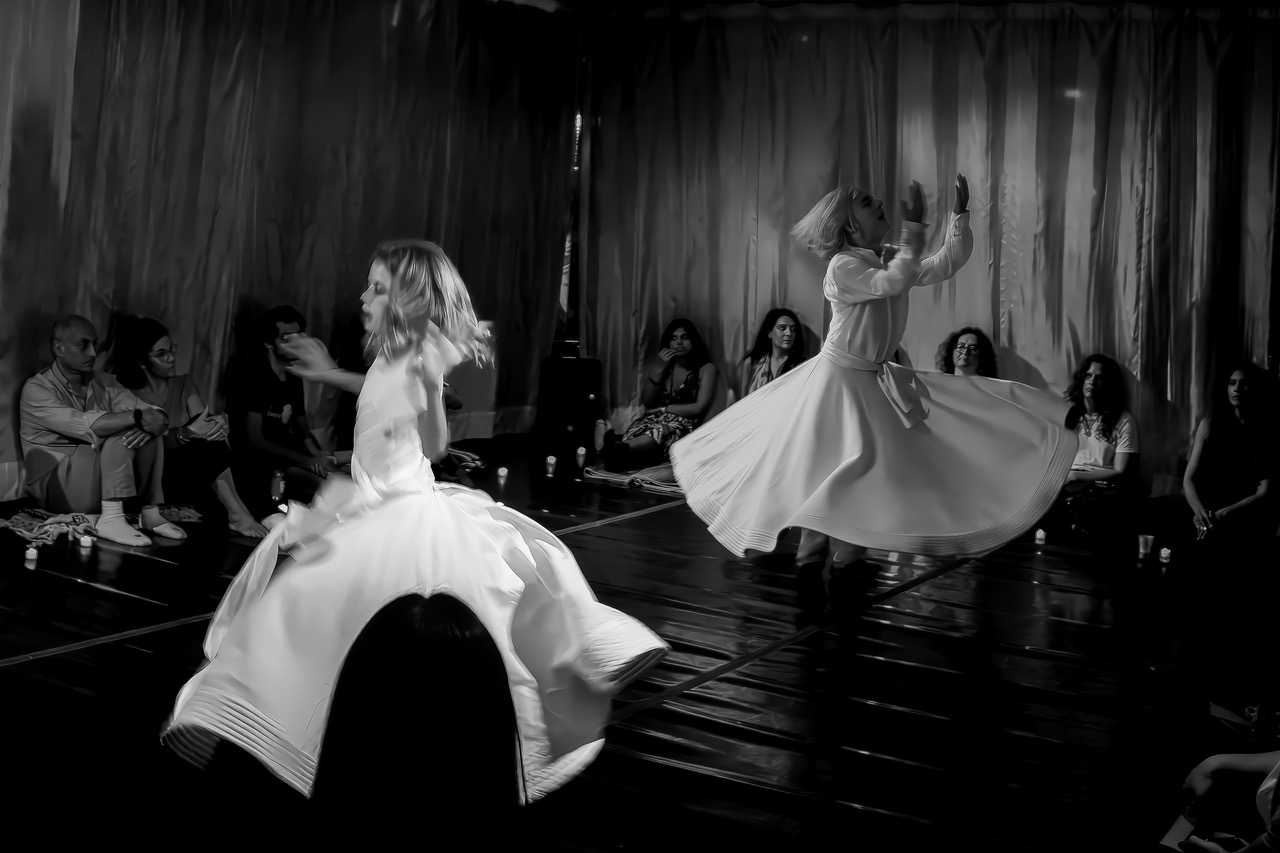
My research into global religions led me spinning barefoot, one foot after the other. When inevitable dizziness set in, my elders reminded me to ground myself with both palms on the floor. As I loved to learn through experience, I became the sole child member of a Sufi whirling group that met on Thursdays. Even then, I was profoundly drawn to people of different walks of life. The community consisted of practicing Sufis, including (I gathered from what they shared in our circle) people formerly addicted to drugs, and people suffering from PTSD, seeking respite. Through the poetry of Rumi and devotional music, I was introduced to “Sama,” a word that translates to “listening” and, in my experience, involves the redirection of attention to achieve deeper connection.
In my junior year of high school, I found myself revisiting “Sama” as my ears were simultaneously failing me. During the most intense year of my life academically, physically, and emotionally, I had two surgeries in six months to fix recurring perforations in my ear drums and expand my eustachian tubes. In the spirit of “Sama,” I spent eleventh grade learning how to navigate hearing loss. As my ability to hear decreased, I actively heightened my ability to listen to others and live in a way that is responsive to different perspectives. Now, the act of listening feels almost sacred.
While I was recovering from my surgeries, ears filled with plaster emitting loud crackling noises, it seemed to me that on every front, people were taking for granted their own ability to hear without obstruction. At home, my parents yelled orders across rooms, and my younger brother bellowed back refusals with escalating intensity, none of them truly communicating. In our village, grown adults cursed slurs at my friends and me as we campaigned for an openly gay school board candidate, uninterested in what we had to say. At the national level, when canvassing for the presidential election, I met people who had lost faith that either candidate would hear them.
As I observed polarized people and political communities losing their capacity to listen, my previous devotional practice gave way to a secular one. I began to explore deliberative democracy, a process that gathers citizens, gives voice to their commitments, and provides a platform for government to listen responsively. My drive to actively pursue areas of interest, rather than merely study them, led me to find work with The People’s Money, New York City’s Civic Engagement Commission’s participatory budgeting process. I voluntarily took notes in weekly meetings, where residents of the Bronx joined together to discuss how to spend a portion of the City’s budget in order to fund projects addressing the Borough’s most urgent needs.
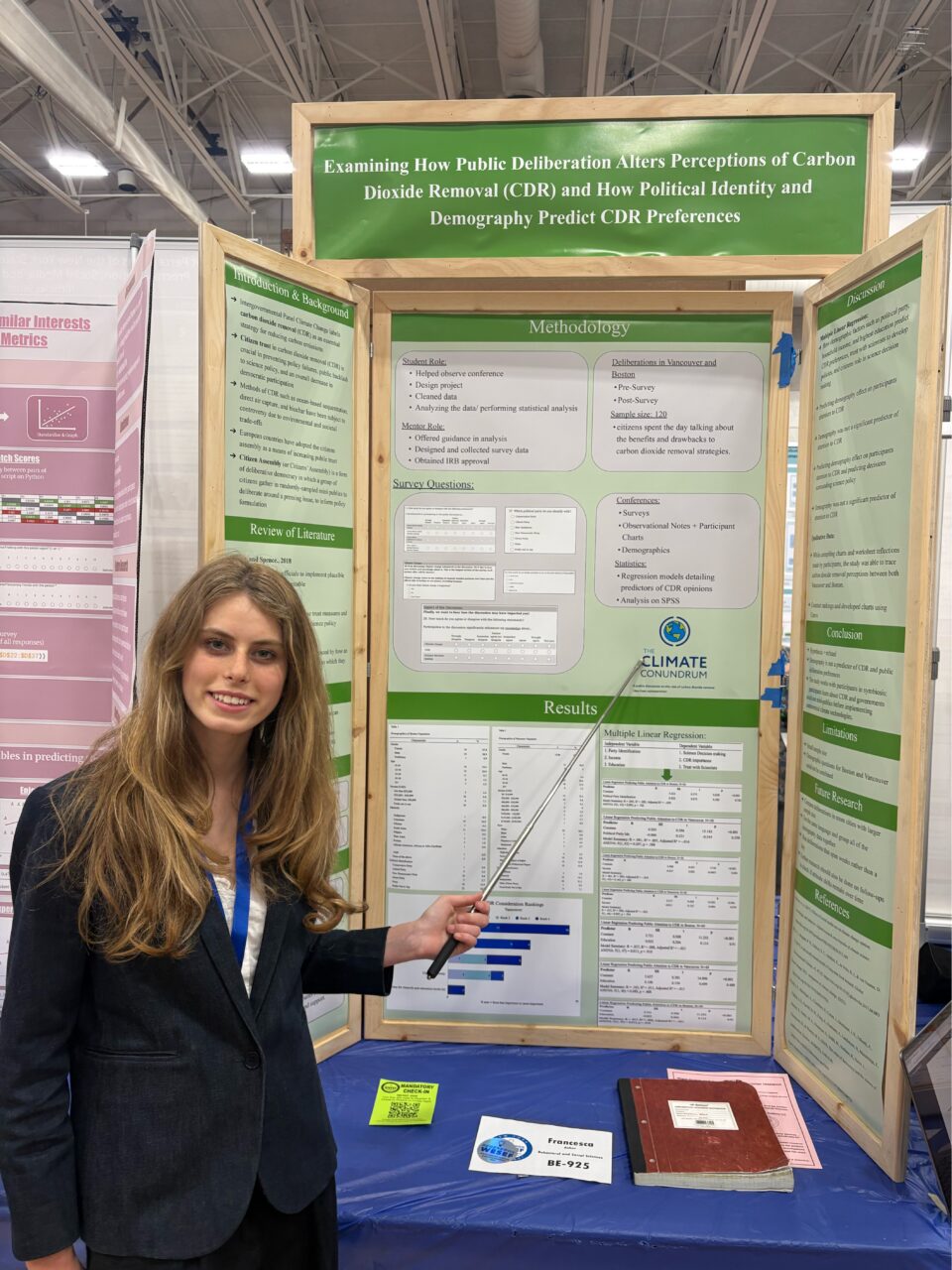
I find deliberative democracy captivating as it creates a space that heightens listening on all levels: city government listening to citizens, citizens listening to one another. Through my work with The People’s Money, my interest in political voice has grown as I have observed, listened to, and befriended residents of the Bronx, one of the localities that our system of elected officials, the cornerstone of representative democracy, has seemingly neglected. I believe that deliberative democracy offers an antidote to polarization in our country and a space for pluralistic political discourse where the government has the capacity to hear and respond to its constituents. The People’s Money initiative ends with action; after tireless deliberation, I watch the city implement a college prep program for a Borough with the lowest college attendance rate in NYC.
Since I was a child, it has been my practice to step deliberately out of my individualistic surroundings into communities centered around connection. “Sama” has guided me through hearing loss, allowing me to seek out experiences prioritizing attentive listening. As the plaster in my ear breaks down and my hearing slowly returns, my curiosity and ambition lead me to contribute to building a world where we understand and respond to one another.