

by Aine Fujioka | Feb 26, 2026 | Music
So, Paul Hansen. He is the person who inspired me to explore this theme I call Art of Life. When we last talked on Zoom, he said something that stayed with me: artists have to find their own way to live because no two lives unfold the same way. While searching for my own next step, I wondered if I could learn something by asking my friends how they made their life decisions—how they shaped a way of living that felt true to them. In this interview, Paul repeated that the essence of life is a long chain of decisions made based on one’s own aesthetic sense, and that is what it means to be an artist.
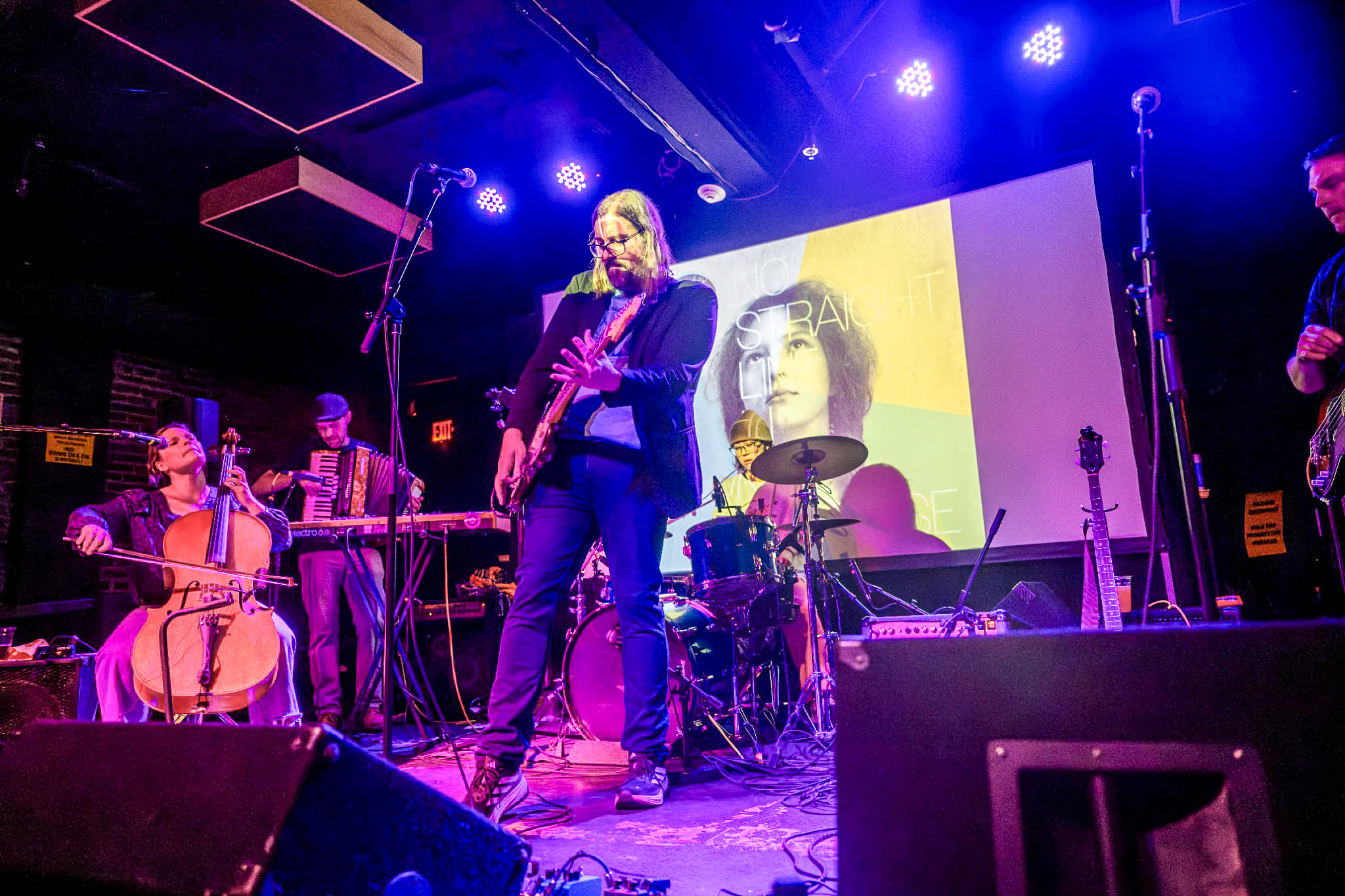
According to my close friend Todd Marston — whom I interviewed in my first article — Paul is “an endless fountain of enthusiasm for life.” He founded the beloved Boston indie band The Grownup Noise. Their melodies carry you somewhere else — sometimes to a dreamlike, parallel world. We played together for years and toured across the U.S. Whenever Paul brought a new song, it always felt familiar to me, as if I already knew where the music wanted to go. He writes with deep care and a kind of quiet observation. He watches where a song wants to grow, instead of forcing it. By the time the band hears it, the music already flows naturally.
In 2024, after nearly a decade apart, I returned to Boston and played a house concert with them. The original members— Katie Franich on cello and Adam Sankowski on bass — also came back after their own long breaks. They’re rehearsing regularly again, playing shows, and even working on a new album. I felt a mix of jealousy and inspiration watching them reconnect so effortlessly. Their reunion reminded me that leaving a city or a band doesn’t close a door forever; music has its own timing. When I played with them again, I was surprised by how immediately I felt at home — even with the new songs. The music evoked memories and emotions in me and overwhelmed me. That band holds a special place in my life.
Paul didn’t start writing or singing early compared to many musicians. Both of us now encourage young players to start writing and creating their own projects as soon as possible. You don’t study music just to play your instrument well—you study it to express something. Technique is only a tool; the point is what you do with it. Creating helps you observe, understand, and express yourself more vividly. And by “creating,” I don’t only mean writing songs or making art. Creating means shaping your life according to your own aesthetic. Being honest with yourself — about what you like and what feels true — is how you grow.
Paul and I both went to Berklee, but when we were students, neither of us had a clear vision for our lives as musicians. Or maybe we had visions, but they weren’t ours — they were borrowed. Now we understand that our confused paths were exactly what we needed to become the artists we are. Still, sometimes we wonder: would life have been a little easier if we’d understood earlier what we really wanted?
I feel like it’s not the universe being unfair to us, but understanding our story. It’s amazing that people do have a vision when they’re really young about their own music and about the way things can be. But for us, we had to do all these things and absorb and live to be the artists we are now.
When I first arrived at Berklee, everything knocked me down. Everyone was younger. Everyone was better. Many had grown up with music, with musician parents, playing incredible things by age nine. But I’ve learned that none of that determines whether someone becomes an artist. What matters is simply that something inside you wants to come out. That act of creating — of making something from nothing — is the real joy of life. I sometimes think humanity would be better off if more people were encouraged to create. Art and music can feel like a safe kind of religion — a beautiful place to focus the human mind. — Paul Hansen
As a parent and teacher, Paul worries about what young people face today. With the internet and social media, they have access to endless information, which can be helpful — but also endless comparison. If they’re not careful, they can lose confidence before they even begin. It’s easy to feel discouraged when you see someone your age — or younger — playing at an unbelievable level. But is that the point? Being “good”? Technique matters because it brings more joy to your playing, but the reason we make music is simple: because it’s fun. Creating and learning take time. Beginners shouldn’t expect mastery immediately. The struggle, the confusion, the tiny improvements — that’s the fun part. You don’t need to be skilled to call yourself a musician. Music is just another way to enjoy life.
A musician’s life can take many shapes. Teaching is a steady path for many. I worked as an accompanist at Berklee, which was steady and informative. Musicians play weddings, theatre shows, cover bands, jazz gigs, original music — anything. Some tour with big names. Some pour everything into their own projects. The dream of making a living from your own music is beautiful, but it can be tough.
When I began at Berklee, I thought touring with a big artist was the only goal. Paul always wanted to write and sing his own songs. After years of playing as a side musician and teaching at a high school, he switched to private teaching, which gave him more freedom to gig and work on his own band. I, on the other hand, had only one path in mind: play music full time. So I did. Church gigs, weddings, clubs, Berklee accompanist jobs. Then I moved to NYC and started again from zero.
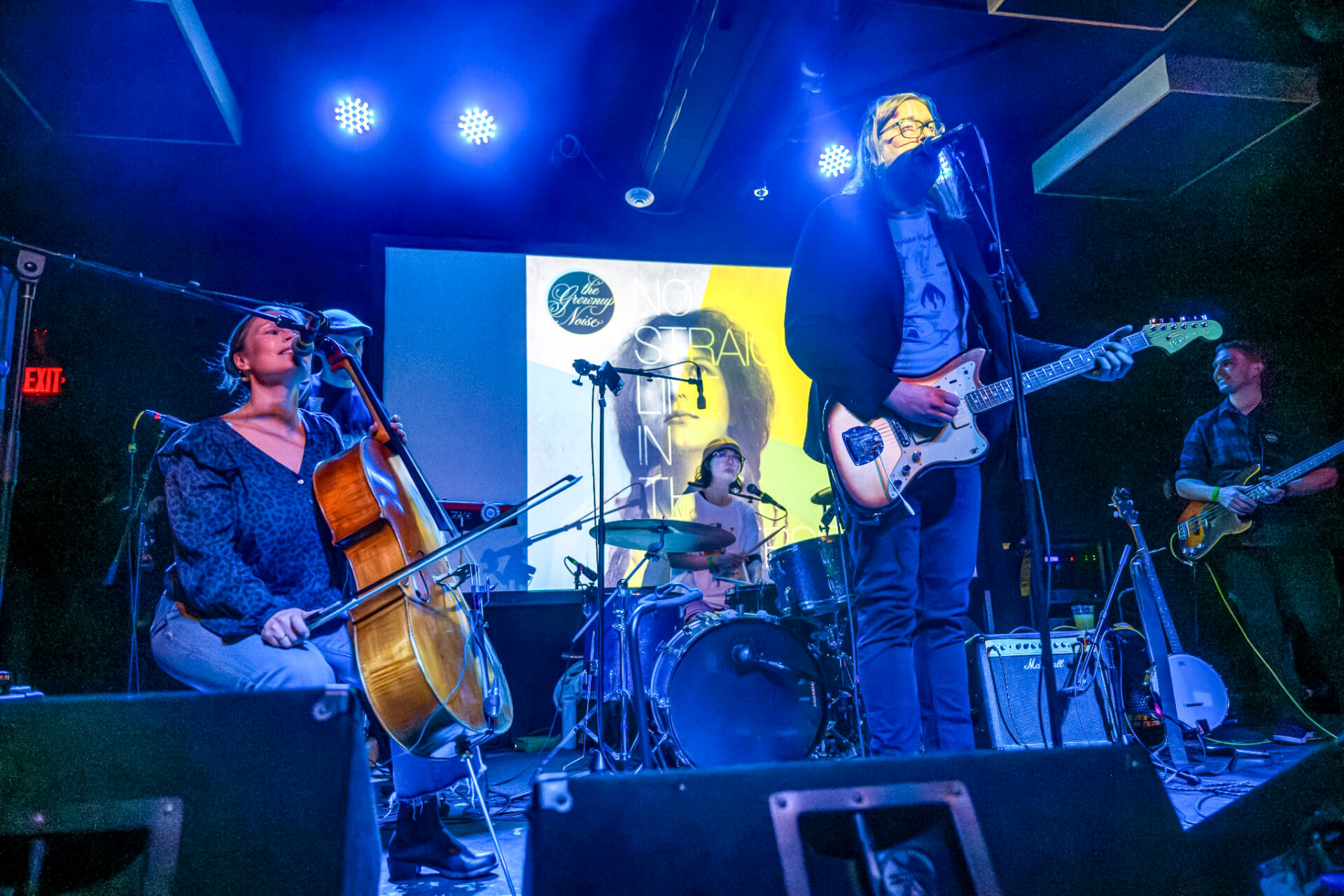 Photo © by CydScottPhoto
In New York, I worked a full-time non-music job during the day while slowly entering the music scene. Eventually I became a house drummer at NYC’s beloved blues venue. Life there was a struggle, especially as a foreigner, but I was young and passionate and loved it. After a while, though, I felt satisfied but not fulfilled — and I moved to Berlin. New country, new culture, new language. Another restart. I went to jam sessions, took every gig, paid or unpaid. Music kept me sane. At first, I felt like I was living inside an invisible glass box, unable to see the scene clearly or even know where to go. Berlin didn’t have much music info online at the time, so I asked people constantly. Eventually, slowly, I entered the blues scene and made enough to live.
Then the pandemic hit. Suddenly, we had to perform alone or online, and I realized I had nothing of my own to share. I had spent years playing drums to someone else’s music. For the first time, I stopped, questioned everything, and asked myself what I really wanted. The answer came: I wanted to play pop music with women my age. Almost immediately, I got a recording gig with Charlotte Brandi, who wanted her entire project to be made by women. That experience changed everything — it showed me how powerful and comfortable it feels to work with people who share your perspective. More opportunities followed. I also had countless conversations with myself, and many strange ideas. Finally, I started my own project. I began writing again. It was hard and messy and exciting. And it felt like, at least for me, that was when my life started.
Paul talked about similar moments in his own life — times when he felt like he “woke up” creatively.
Writing your own work gives you access to a private happiness, a space you can always return to, even in sadness. Like David Lynch says, it’s a way of swimming in the vast unconscious, which is ultimately positive.
Now, in a time when AI takes over much of the creative process, I think it’s important to remember something: creation is for your own pleasure. No one can take that away from you. But at the same time, no one has the time or energy to love your art the way you do. So why make it for others? Enjoy the process. Trust your taste. Let go of perfection—people today crave honesty, mistakes, and the realness of work in progress. I even question what it means to be a “professional artist” now.
When I decided to make an EP, I allowed myself to become a front singer for the first time. That challenge itself became part of my art. I performed solo — singing and playing keys — sometimes in front of strangers, sometimes in front of friends. I traveled and performed in NYC, Boston, Berlin, Tokyo, Osaka, and other cities.
Paul once asked me what felt better: playing solo or playing with a band I quickly formed to express my musical vision. There’s no real comparison. Each setting teaches me something different. Music, for me, is about connecting with others, not recreating a perfect version of a recording or my vision. But performing my own music is demanding. I sing, play drums, loop them, use effects — everything live. Maybe it’s time to let go of doing everything myself. Organizing shows, booking musicians, running the night, performing — it’s a lot. Playing with others lifts some of the weight, as long as I choose people whose musical sense and personalities align with mine. Maybe someday I’ll experiment with a smaller setup or even tracks, while still keeping the live energy.
For Paul, things are different. The Grownup Noise played together for so long — rehearsing regularly, gigging often, and simply hanging out. These friendships became part of his music itself. Their families were deeply involved in our tours, too. It felt like a family reunion each time. Now that the original members are back together, the hang alone is meaningful to him. He told me he’d choose to play solo if he couldn’t play with these specific people anymore. His life and his music are intertwined.
Making a living from art, though, is another conversation entirely. In a world where anyone can create with AI, commercial art may be taken over easily. Artists will need to understand how to use AI as a tool — not a competitor — and also learn business skills, self-care, and financial sustainability. I hope music schools now require classes in music business, mental and physical health, and personal finance alongside creative training. If life is an artist’s creation, we must learn how to shape it well.
If I could share one piece of advice, it would be: know yourself before adopting someone else’s goals. I gave myself no options except being a full-time performing musician. I love my boldness, but I didn’t plan much, and so I had to learn everything the hard way. Visa restrictions limited the kinds of jobs I could take. To stay in the U.S., I had one year to prove I was an “exceptionally talented” musician. I was desperate to play more gigs but also afraid to step into the scene.
Music is powerful. It can heal and empower people. Musicians need to acknowledge that. We need to feel confident embodying that power. What we do matters — not just for us, but for everyone. In an era where AI can do almost everything perfectly, humans still crave the feeling of being human. Artists provide that. But to do that, we have to take care of our mental and physical health, our finances, and our community. If we live in survival mode, how can we share healing energy with an audience?
I want to support musicians in building happy, sustainable lives and making our industry a better place. I hope this interview series helps readers see how many different paths a musician’s life can take — and that each path can be valid, beautiful, and true.