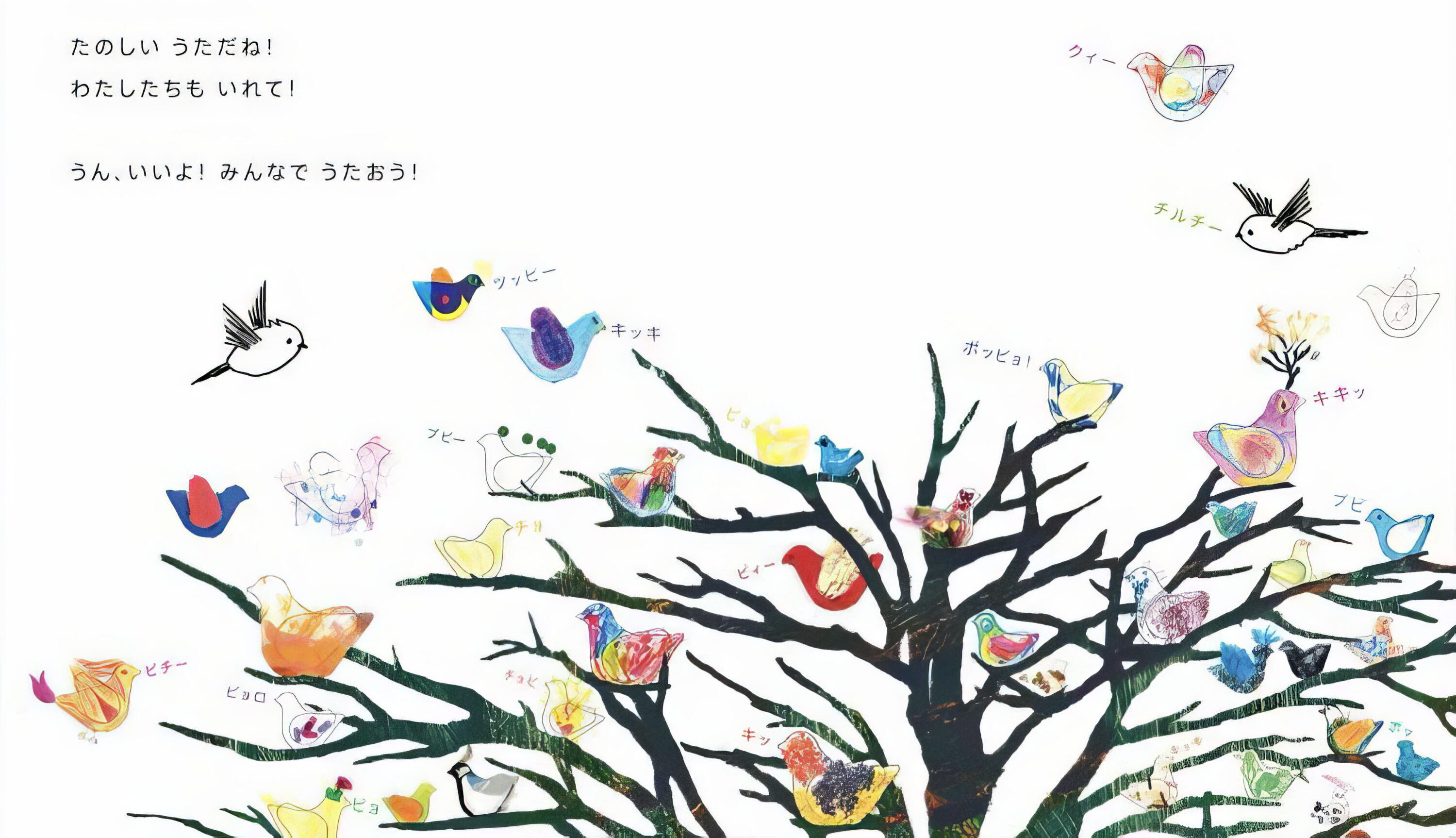
On a sunny 5th of May — Children’s Day in Japan — I made my way to what seemed like an unlikely venue, Mifa Football Cafe, for a matinee child/family-friendly concert and luncheon called “Song of the Earth,” organized by the J-Pop singer Asuca Hayashi 林明日香. Mifa is located in Toyosu, one of a series of artificial islands in Tokyo Bay just southeast of the former Tsukuji Fish Market in Tokyo, a strange but fitting location. Both Asuca and the people of Tokyo were charting a new course in pursuit of more healthy, sustainable lives.
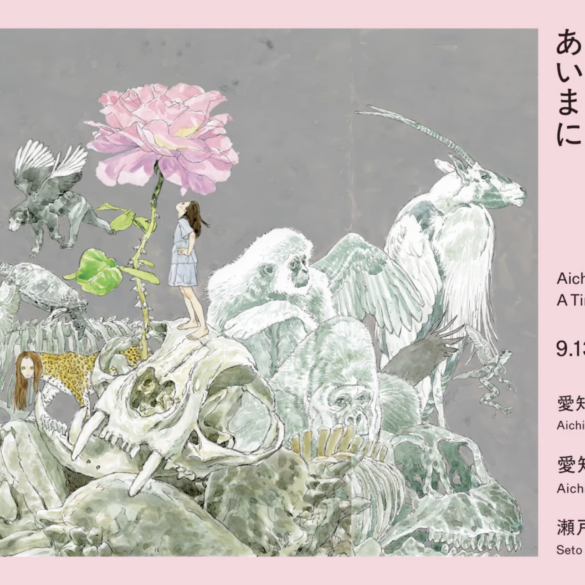
During my autumn stay in Japan, two compelling reasons drew me to the Aichi Triennale, which brought together a diverse group of non-Western artists/groups, including participants from the Middle East, Africa, and Latin America, alongside Asian artists/groups, with twenty-six from Japan, and took place in the Aichi Arts Center and Aichi Prefectural Ceramic Museum in Seto City, Japan from Sept 13 to Nov 30, 2025.
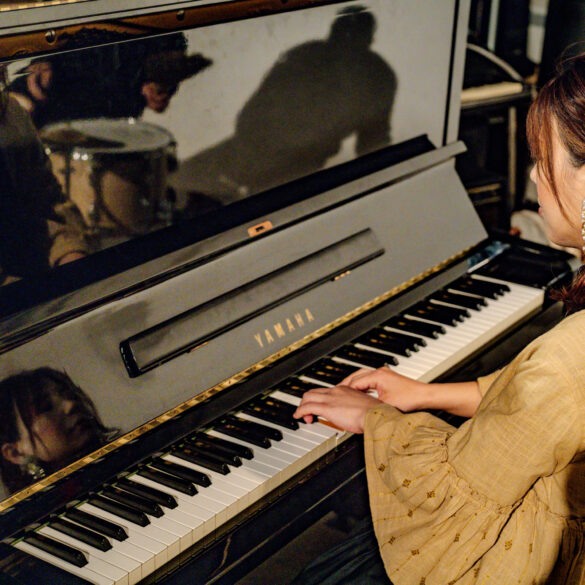
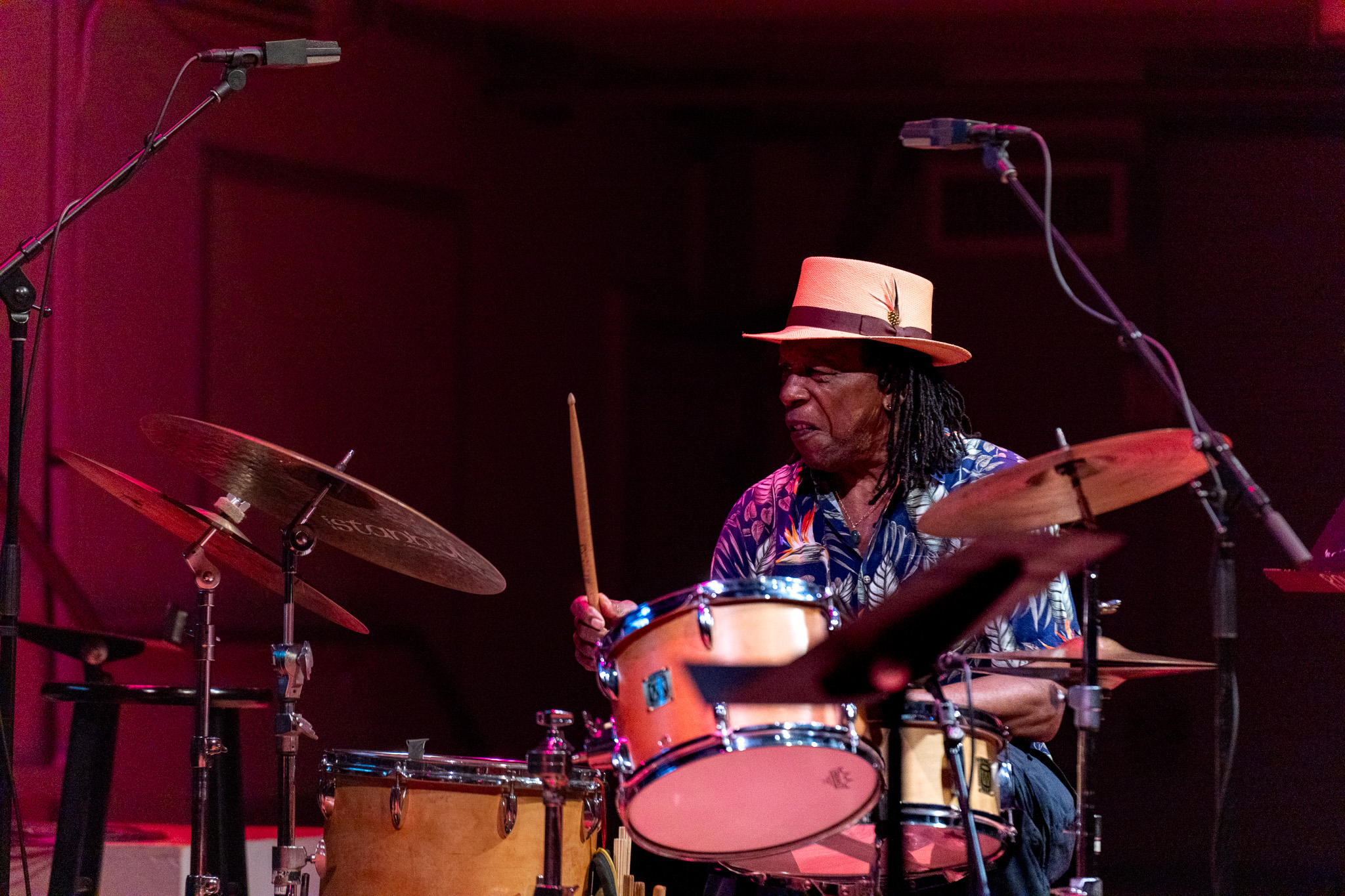
While struggling to find contemporary jazz venues in Osaka, I stumbled upon Studio T-Bone, a venue supporting both live jazz and photography and decided to visit. Pianist Yukari Sekiya 関谷 友加里 and percussionist Naoto Yamagishi 山㟁直人 やまぎしなおと were improvising together. While I didn't manage to get to know them well on that occasion, I was delighted to spend time with the creative family members running the studio. A chance encounter months later unexpectedly brought Yukari back into my mind. When I reached out to her, she responded, and I've now learned what a deep and inspiring artist and person she is, opening the door to possible future collaborations. It was a powerful reminder that we can't always see right away why our intuition speaks to us. Sometimes, it may be setting something in motion far in the future or for a purpose quite different from what we imagine.
After one night in Tokyo and a quick lunch (inexpensive but outstanding chirashi-sushi with a photographer friend in Tsukuji), I took the Tohoku Shinkansen train from Ueno Station to Utsunomiya and transferred to the JR Nikko line but got off one stop early at Imaishi. Imaishi is the little town just to the east of the popular and historic temple town of Nikko, which was where I was heading, but Imaishi has its own famous cedar road and sakura road, and I thought I would check it out on the way.
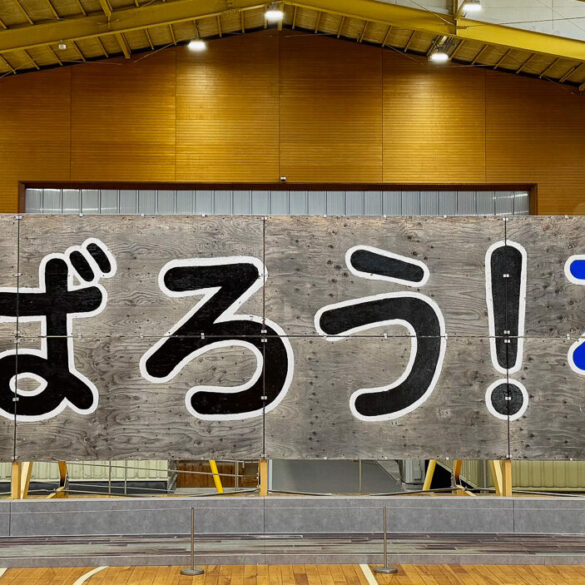
This large sign, emblazoned with the words がんばろう!石巻 meaning Let’s Go, Ishinomaki, was found placed in the ruins of downtown...
Masahiro Usami creates art, photographic mandalas, by undertaking a journey, as much relational as through time and space, to understand and capture the essence of a community’s journey in collaboration with that community. In his words, “Each individual photograph [in his long-running mandala series] features a central figure, all of whom come from different regions and standpoints, and then distributed in their environs are the people and things that express the world of that particular figure, just like the form of a Buddhist mandala painting.” His latest depicts the confrontation between citizens and developers over a proposed radical redevelopment of a beloved and historic park in the heart of Tokyo.
On my second night in Kyoto, I went to Candy Live Jazz in Gion to see the trio of Kotono Nishimura 西村琴乃 (alto and soprano sax), Yuka Yanagihara 柳原由佳 (piano), and Ayuko Ikeda 池田安友子(percussion). I was not familiar with any of them, but from the start, I found their set, inspired by the spring season, infectious, rhythmically adventurous, and uplifting.
At times, most notably during Kotono’s number “Milky Way” from her album “Favorable Move,” I felt as if I’d been transported to a landscape untarnished by humans, where dawn is breaking over mountains in a river-fed valley of verdant splendor where you can hear birds singing and take a breath, like in a Thomas Cole painting, a place where you can look up on a clear, moonless night and be awestruck by the majesty of the Milky Way, so far away and yet seemingly so close.
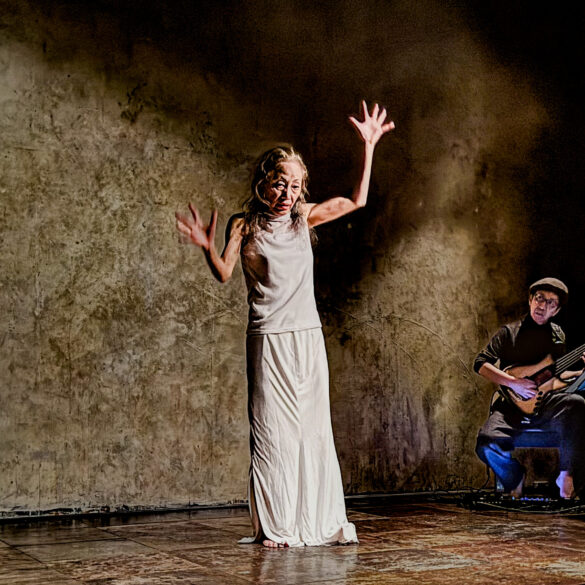
On my first night in Kyoto, I attended FOUR DANCERS vol281 at UrBANGUILD, a cafe/bar and multidisciplinary performance space in the heart of Kyoto. Like an old-school club on the Lower East Side of Manhattan, it’s dark, grungy, and covered in flyers. UrBANGUILD presents a wide variety of younger and older artists and draws an extremely diverse audience as well, making it a beloved oasis for contemporary and experimental performing artists in the otherwise more traditional and conservative-minded Kyoto. I came to see two artists in particular, Chizuko Kotani / 小谷ちず子 and Miwako Inagaki / 稲垣美輪子.
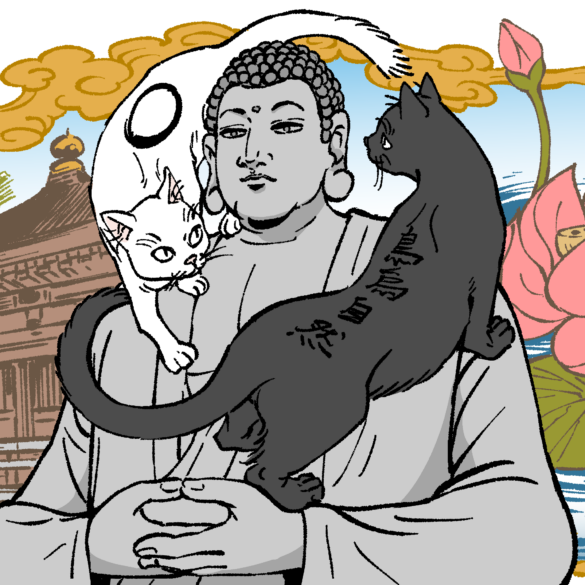
Photo © by Hiroki OtsukaOn my way from Kanazawa down to Hiroshima, I took a detour in Fukui Prefecture to visit Gotanjoji, a Sōtō Zen temple in Shoden-cho, Echizen City, known informally as a cat temple. I came for the cats, but I was also intrigued by the temple’s history, such as it is. While many temples in Japan are hundreds of years old, Gotanjoji was founded in 2002! Despite the temple's young age, its history dates back to the late 13th century Zen monk Keizan Jōkin 瑩山紹瑾, who was born in Echizen and was, I discovered, instrumental in opening Zen to women. Gotanjoji took it one step — or four? — further, bringing cats into the spiritual practice.
A visit to MUSE (Music Unites Special Education), a certified NPO founded in Sendai City by pianist Atsuko Nishina in 2001 to increase the opportunities for people with special needs to touch highly artistic music and art and express themselves freely through artistic creative activities, with composer Aya Nishina 仁科彩 and her partner, the visual artist Shimpei Takeda 武田慎平, afforded me the opportunity to understand their creative work more deeply and to recognize that their art and their teaching work, while different in form, have the same purpose, each informed by and expressing the same universal spiritual principles that, in fact, guide all true healing work.
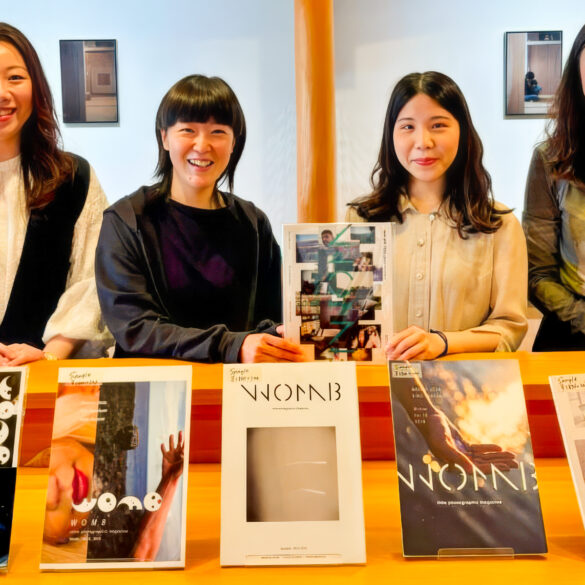
I had circled the KYOTOGRAPHIE KG+ Photographer Group WOMB’s 10th Anniversary exhibition as one not to miss. I was attracted to WOMB’s mission, which seemed to offer a feminine gaze yet take a metaphorical and expansive rather than body-centered view of a womb’s function. A small collective of Japanese female photographers who have been publishing WOMB photography magazine since September 2013, WOMB says they named their group and magazine to evoke “things that no one knows yet, a place where things are born (and grow).” Fortunately, I was able to meet two of the photographers, and among my many experiences at KYOTOGRAPHIE, this exhibition proved to be a highlight. Honestly, it was inspiring and rewarding beyond all expectations.
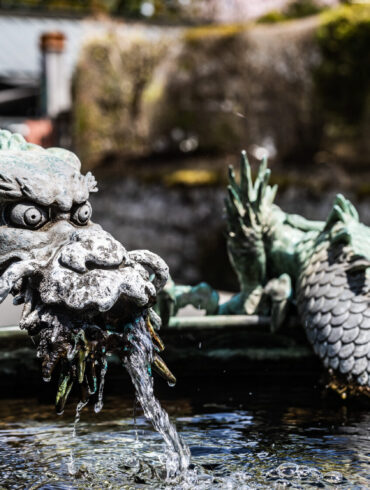
Since the founding of Shihonryuji Temple (which later became Nikkosan Rinnoji Temple) by the Buddhist monk Shodo in 766, Nikko,...