
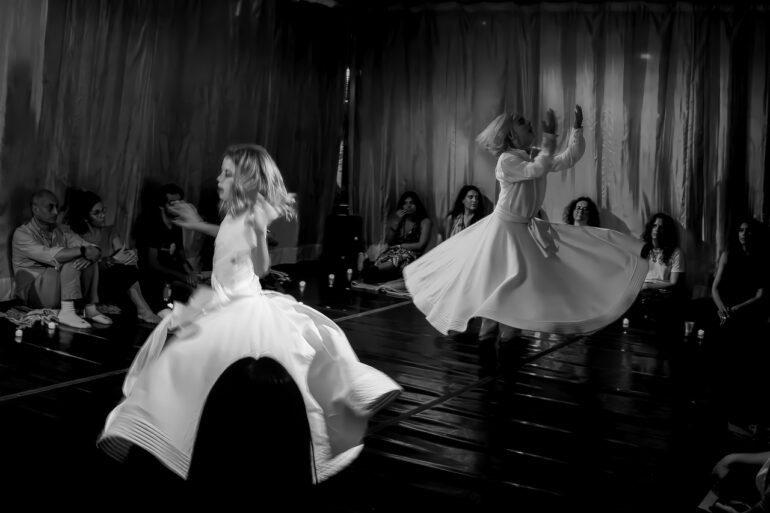
サマと熟慮的傾聴の実践
私はスーフィーの旋回グループで、唯一の子どものメンバーになりました。そこで「サマ」に出会いました。「サマ」は「聴くこと」と訳され、私の経験では、より深いつながりを得るために注意を向け直すことを含みます。
How do we experience presence?
Performing Arts follows dance, theater, performance art, and interdisciplinary works that unfold through movement, presence, and encounter. These articles explore what happens when ideas become embodied and when artists invite audiences into shared experiences of vulnerability, ritual, and transformation.
私はスーフィーの旋回グループで、唯一の子どものメンバーになりました。そこで「サマ」に出会いました。「サマ」は「聴くこと」と訳され、私の経験では、より深いつながりを得るために注意を向け直すことを含みます。

ニューヨークでアジア人主導の演劇が急増している今、演出家で劇作家のタラ・ニェンジェは、独自の輝かしい道を切り拓いています。作品だけでなく組織をも構築する新世代の一人として、彼女とその協力者たちは、現代演劇のあり方――切実で、身体的で、紛れもなく生き生きとしたもの――を再構築しています。
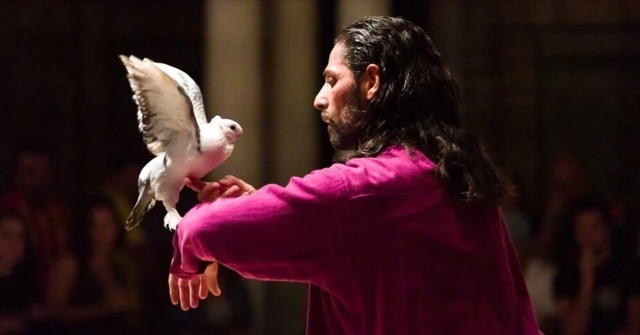 Photo © by Pol Guillard, L’Art Rue-Dream City 2025
「あいち国際芸術祭2025」にお…
 Photo © by Christopher Pelham
My encounter with the well-known — but new to me — pianist Hitomi Nishiyama 西山瞳 at SUB Jazz Cafe, a seminal jazz club in Osaka, took me to places I never expected. Although she was playing jazz standards with a makeshift band, her music and career, characterized by curious changes in direction and exquisite elaborations on connections previously unrecognized, set us free.
 Photo © by Christopher Pelham
On my first night in Kyoto, I attended FOUR DANCERS vol281 at UrBANGUILD, a cafe/bar and multidisciplinary performance space in the heart of Kyoto. Like an old-school club on the Lower East Side of Manhattan, it’s dark, grungy, and covered in flyers. UrBANGUILD presents a wide variety of younger and older artists and draws an extremely diverse audience as well, making it a beloved oasis for contemporary and experimental performing artists in the otherwise more traditional and conservative-minded Kyoto. I came to see two artists in particular, Chizuko Kotani / 小谷ちず子 and Miwako Inagaki / 稲垣美輪子.