
This article was originally published in Japanese on October 6, 2026.
Can a garden be a subject of contemporary art?
The Garden as a Method
A garden is a place where people act upon nature. Yet the plants growing there do not simply obey us. In contemporary art practices involving organisms, plants, microorganisms, and ecosystems, a garden might be more than a subject for a work. It might also offer a way to reconsider a world in which the artificial and the natural are intertwined.
One point of reference is the garden that British filmmaker Derek Jarman created at Prospect Cottage, on a bleak stretch of coast facing the Strait of Dover. What interests me here is more than the cultivation of a beautiful garden for decorative pleasure. It is the question of how we form relationships with plants: beings that share our world but live according to different rhythms and conditions.
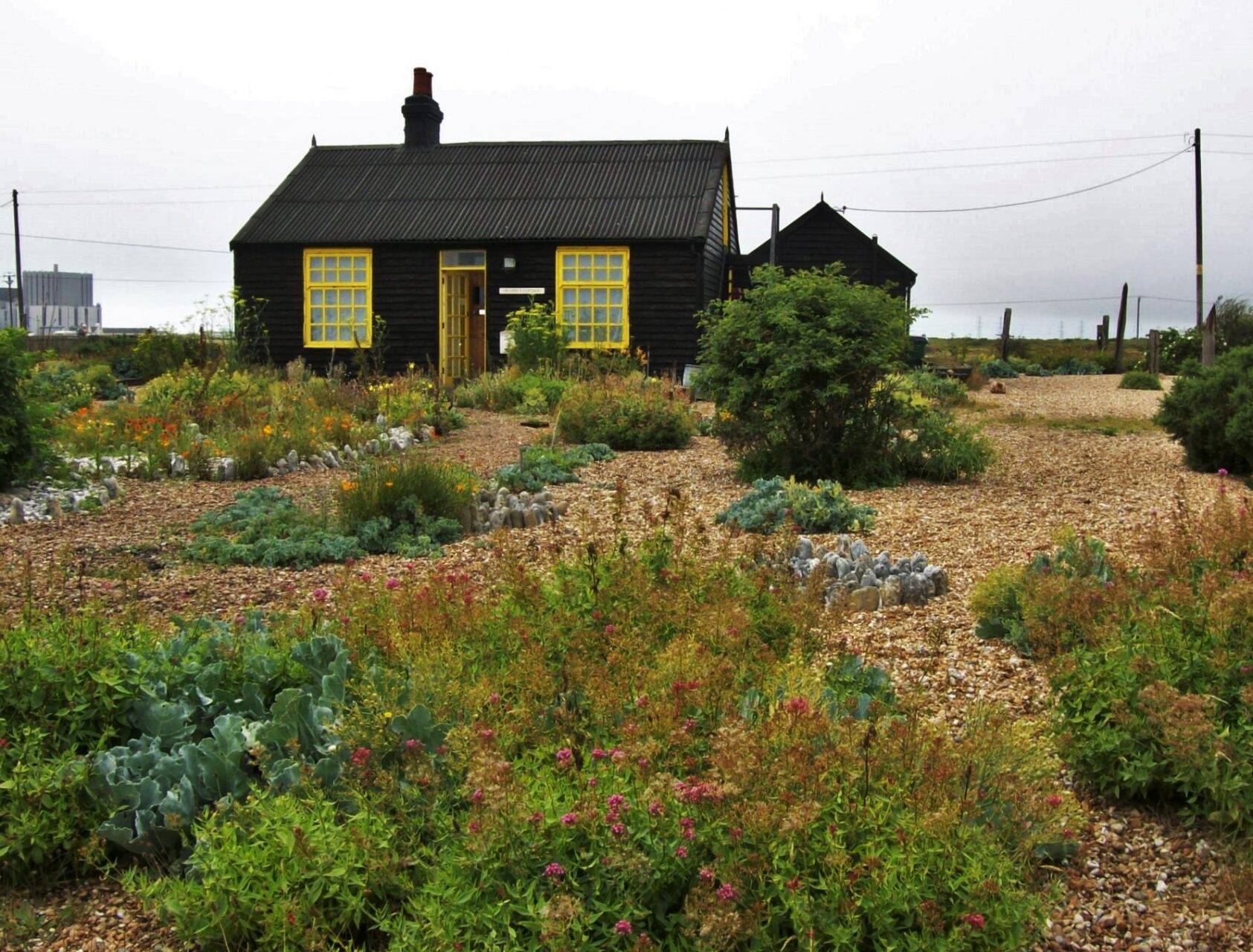 Photo © by Poliphilo / Wikimedia Commons
A human lifetime occupies only a fraction of the Earth’s long history. By looking beyond plants as things to decorate with or manage, and attending instead to the conditions in which they grow, we may begin to see the world from a position slightly less centered on ourselves.
A garden depends on the particular conditions that allow plants to grow. Rooted in the ground, they enter into relationships with local light, water, and soil. Some wither despite our care; others, suited to the conditions of a place, continue growing regardless of our intentions.
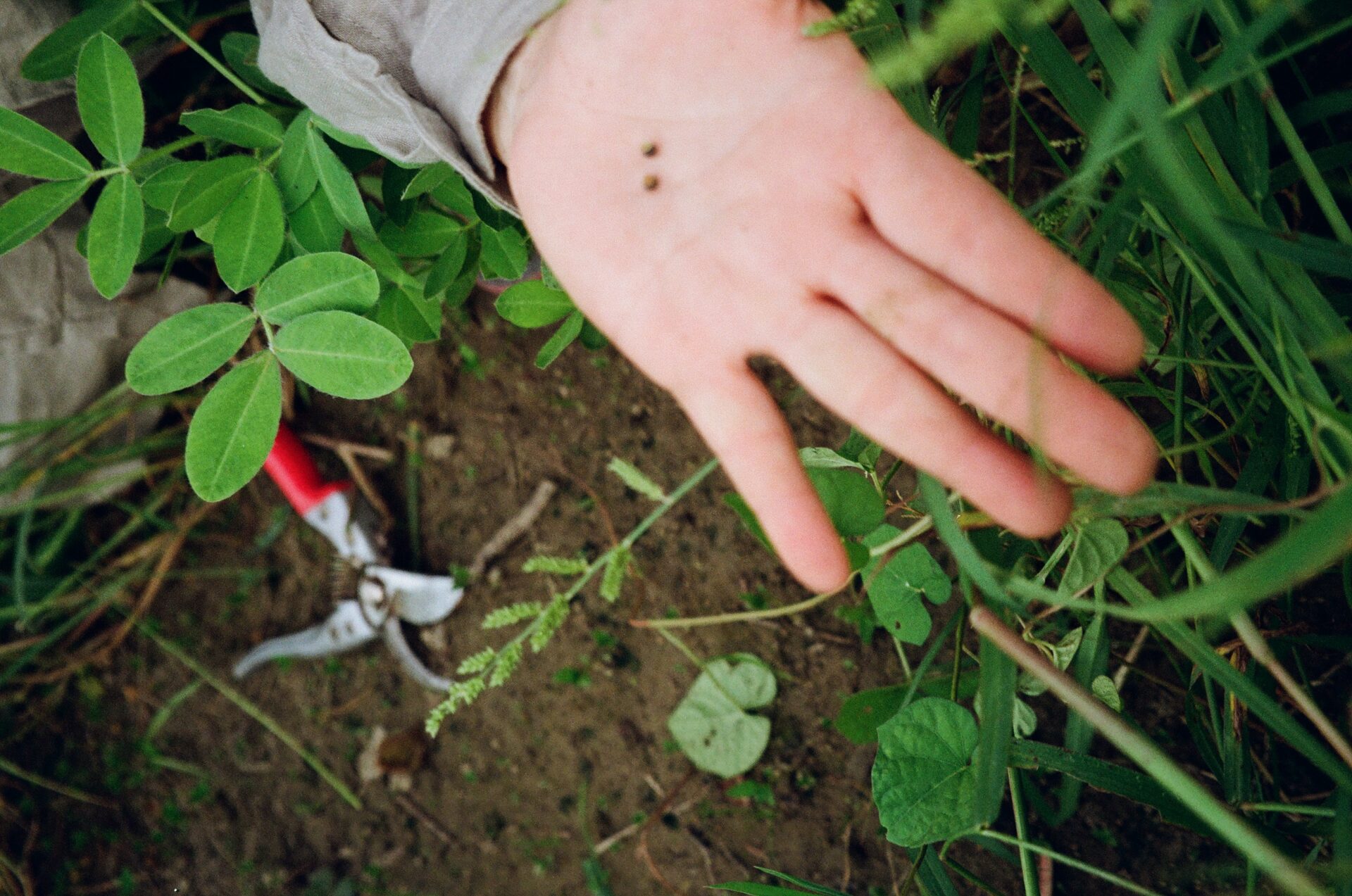
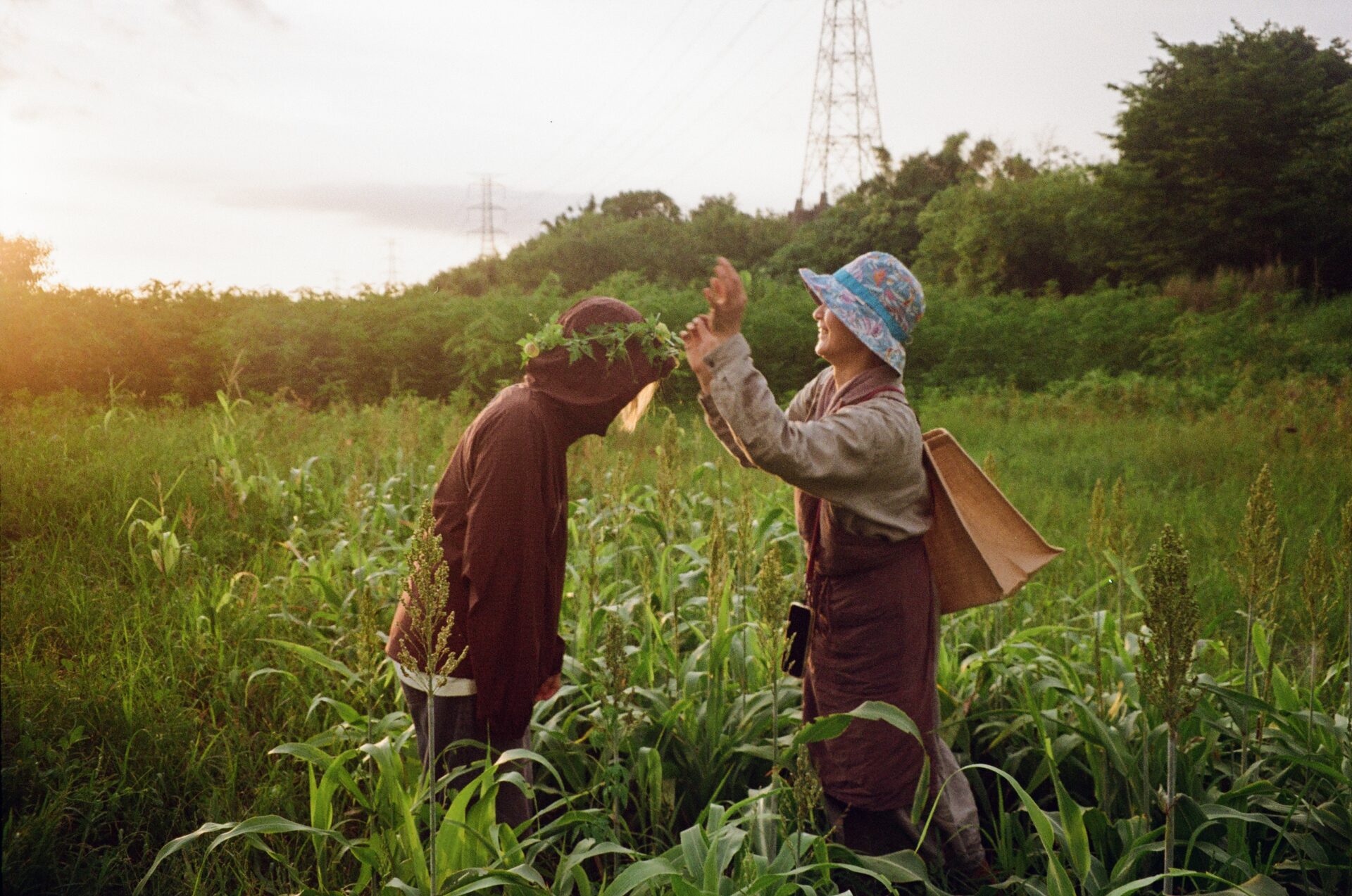
Every vacant patch of land has its own history and plants already growing there. These are not necessarily native species. Plants classified as non-native can also become familiar, even cherished, presences in everyday life. How to understand that familiarity alongside their ecological effects remains a separate question.
Perhaps a garden begins less with a design imposed from scratch than with a relationship to an environment already there. Before pulling everything out because it is a weed, we might look at what is growing and the relationships it sustains. Such an attitude also opens questions about the conditions under which beings with different histories can coexist. Still, the distinction between native and non-native plants cannot simply be transferred to human migration.
Where, then, might we establish a garden in which such relationships can develop? Could the white cube become an artificial garden that allows us to renew our relationship with an environment? Conversely, what changes when we call a patch of already vegetated wasteland a “garden” and make it a site of art?
Who Planted the Landscape?
In In Minor Keys, conceived by curator Koyo Kouoh for the 2026 Venice Biennale, the Creole garden and the courtyard are understood as spaces of self-sufficiency born under conditions of constraint. They are both actual and metaphorical places for rest, reconnection, and engagement with life beyond the human.
Venice Biennale official website | In Minor Keys
The Holy See Pavilion’s The Ear Is the Eye of the Soul also introduces an instrument in Venice’s Giardino Mistico that translates plant bioelectric activity into sound. What interests me is that plants are more than objects to be contemplated: their activity helps constitute the sound of the work.
Venice Biennale official website | Holy See Pavilion: The Ear Is the Eye of the Soul
With these gardens in mind, I want to turn to the art of Tainan, where I have been living since June this year.
Planting trees and flowers in gardens, parks, and streets brings nature and human intervention together. Do we call an existing gathering of plants a garden, or do we create one by selecting and arranging them? Considering the difference reveals histories of human intervention within what we tend to call natural scenery.
In Shiiba, a village in Japan’s Miyazaki Prefecture, for example, the history of slash-and-burn cultivation overlaps with cedar plantations established through postwar afforestation. A forest so dense that little sunlight enters, even during the day, can also be read as a landscape shaped by policy and land use.
I heard about Shiiba from a friend who researches anthropology. He told me that a villager’s diary that he found during his research described the dark cedar woods as a “forest of death.” The phrase reverses familiar images: a dense forest signifies death, while the fire of slash-and-burn cultivation signifies regeneration.
In Taiwan, too, land use and landscapes have changed under colonial rule and successive political regimes. We cannot understand the scenery before us independently of its history.
Within the name “beautiful island,” how much do we see of the histories of its individual places?
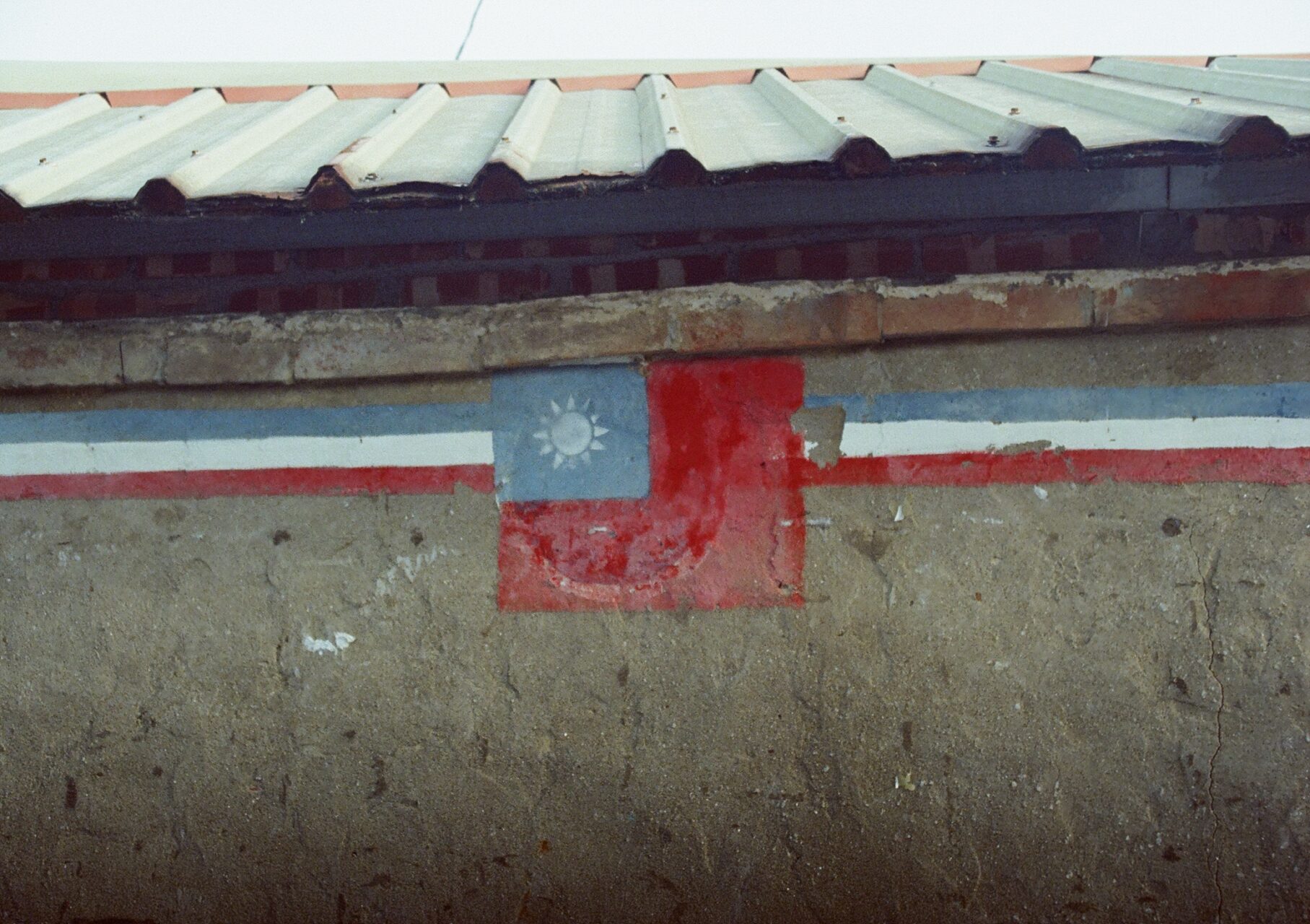
A Landscape in No Hurry to Yield: Cultivating Relationships in That Field in Balin
These questions bring me to That Field in Balin (拔林那塊田), a work by Xu Yici (許怡慈) and Haocao Dui (好草隊) presented at the 2026 Mattauw Earth Art Festival.
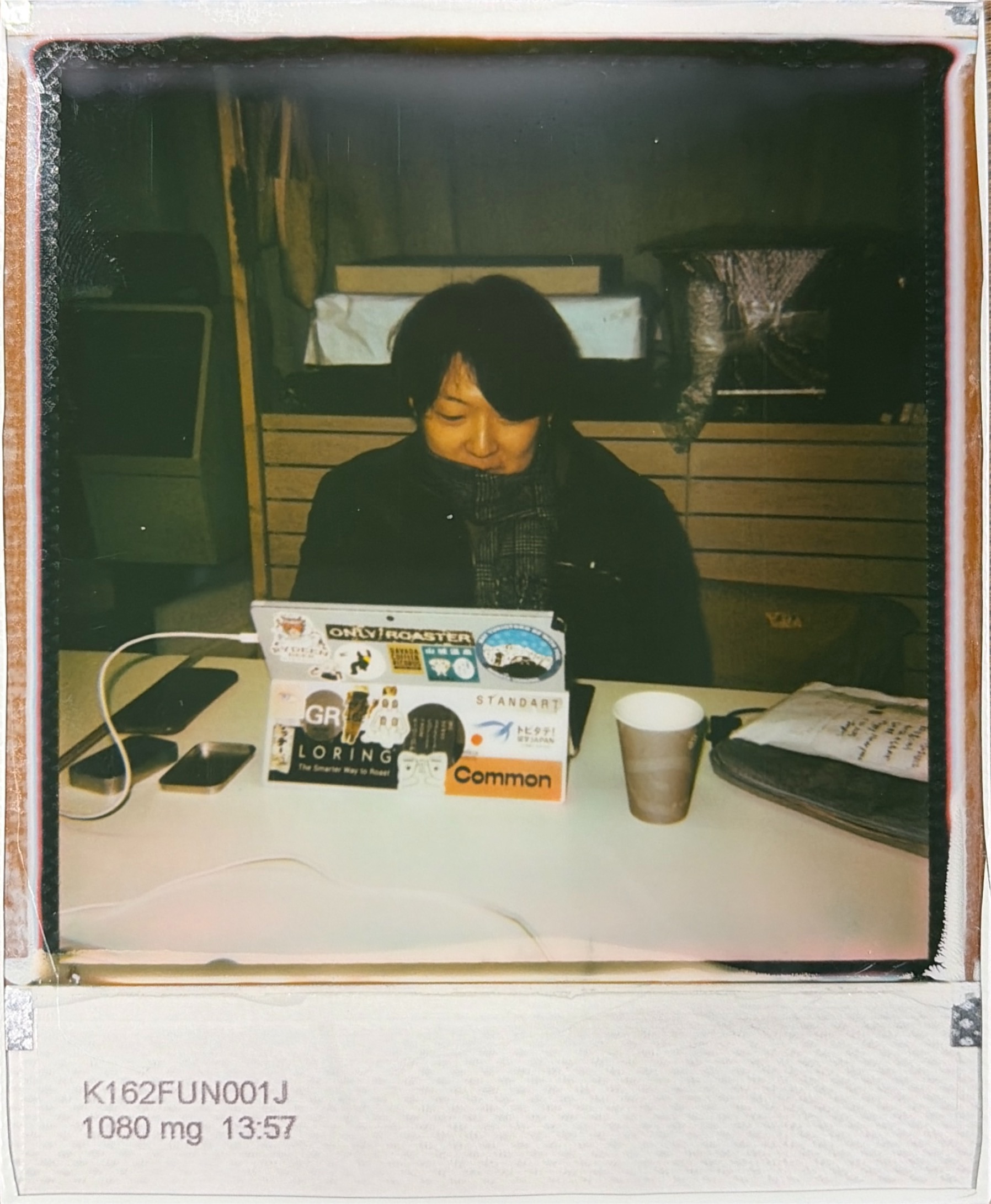
I moved from Kyoto to Tainan in June. While staying at Absence Space (不存在劇場), I first heard about Balin (拔林) from a friend who often visited. It is roughly thirty minutes by train from Tainan Station. With my Chinese still faltering, I followed that friend to the artist’s studio for the first time.
They were making vessels from earth and seeds. I did not really know what they were for, but they needed a hand, so I helped. The artist was busy preparing for the festival. Before I even understood what kind of festival it was, I had begun going to the field almost every week.
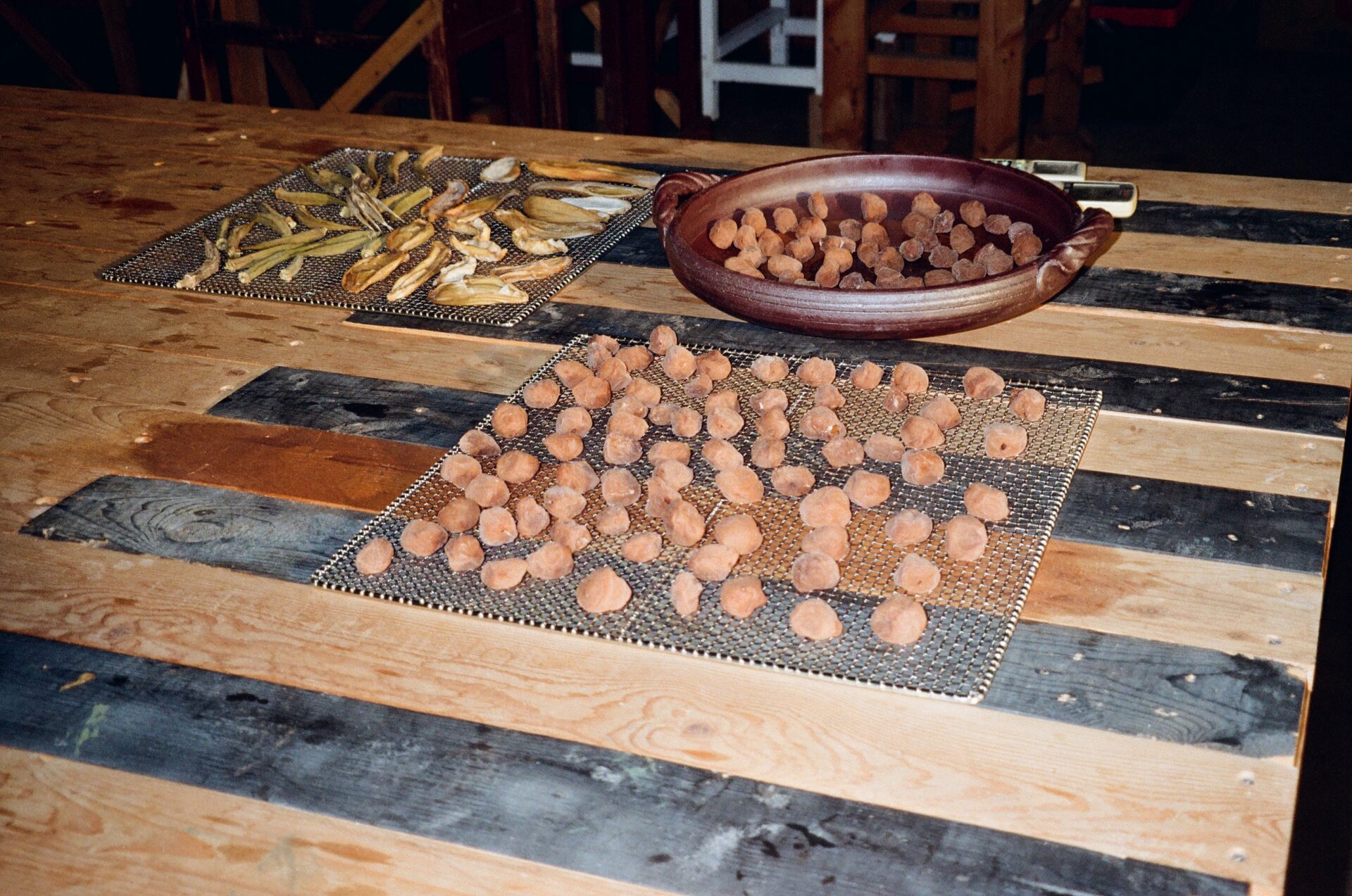
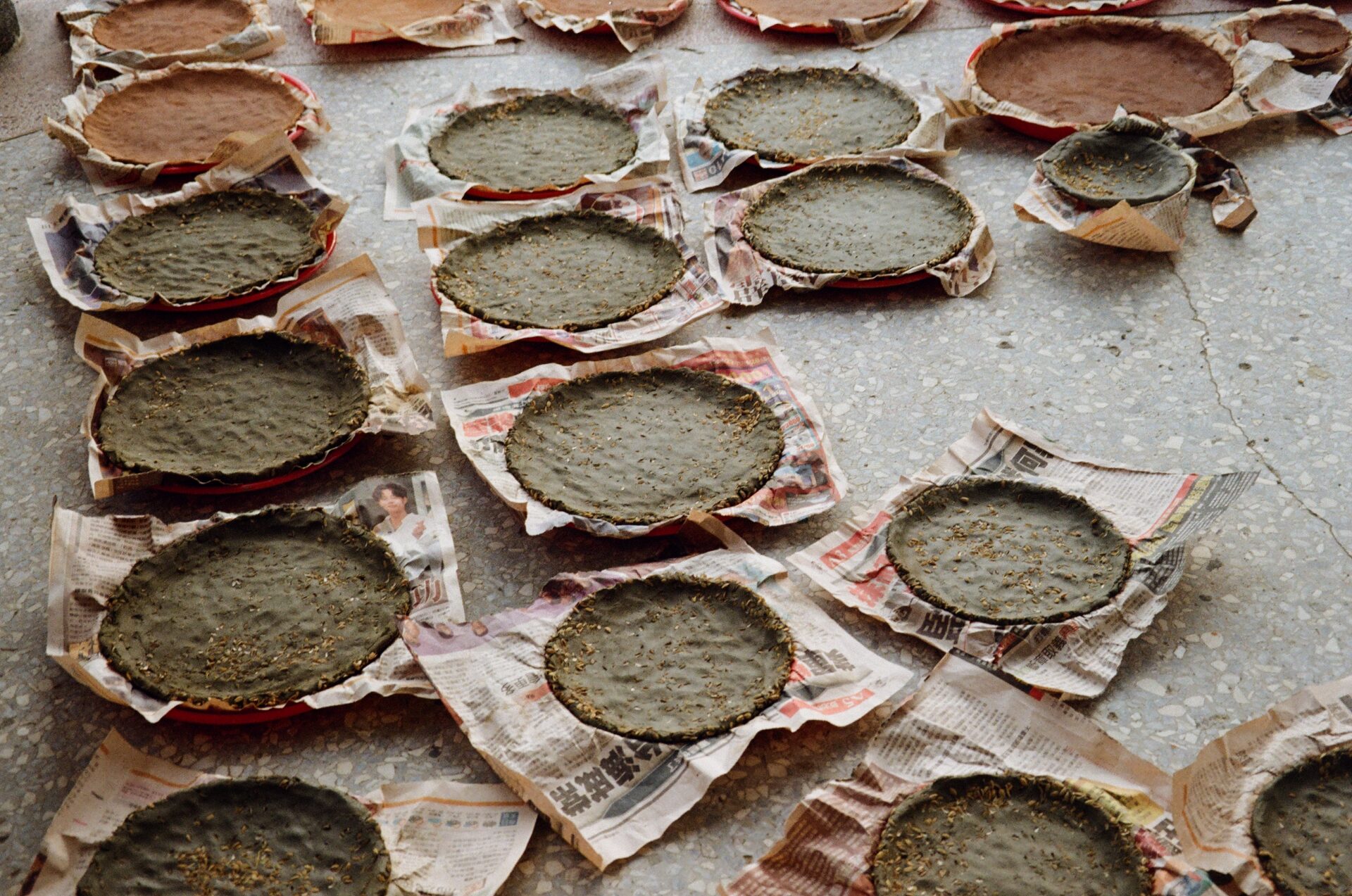
My main job was cutting weeds. Without quite noticing, I had joined Haocao Dui (好草隊). After all, there was always good food waiting when the work was done. There was some truth to the idea that I was helping just to get a meal.
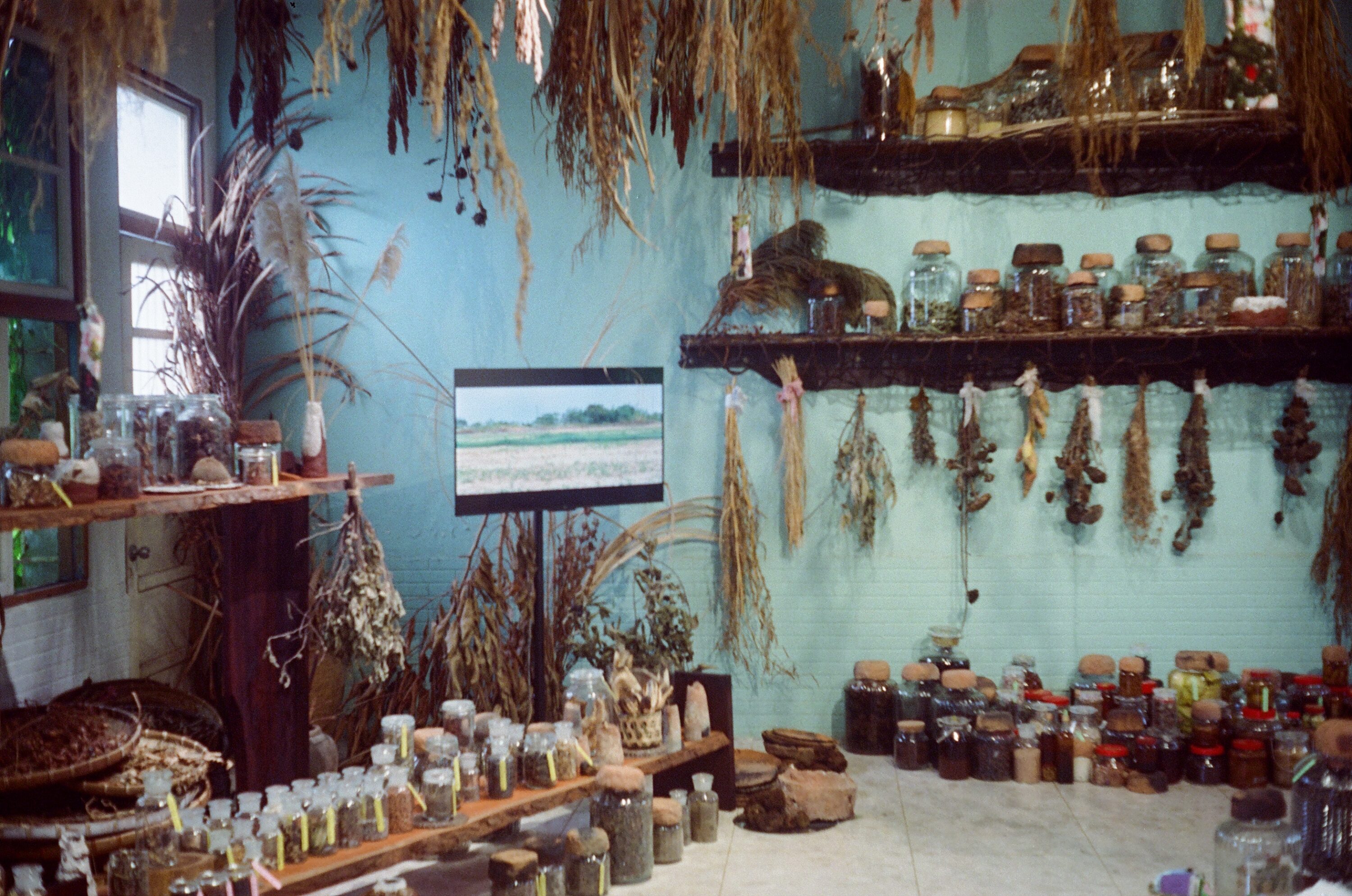
That Field in Balin begins with a former asparagus field in the village and seeks to cultivate anew the relationship between people and land. Wild plants are left in place; green-manure plants and seeds preserved locally are planted. Together, these practices nurture an environment in which crops, native plants, insects and animals can coexist.
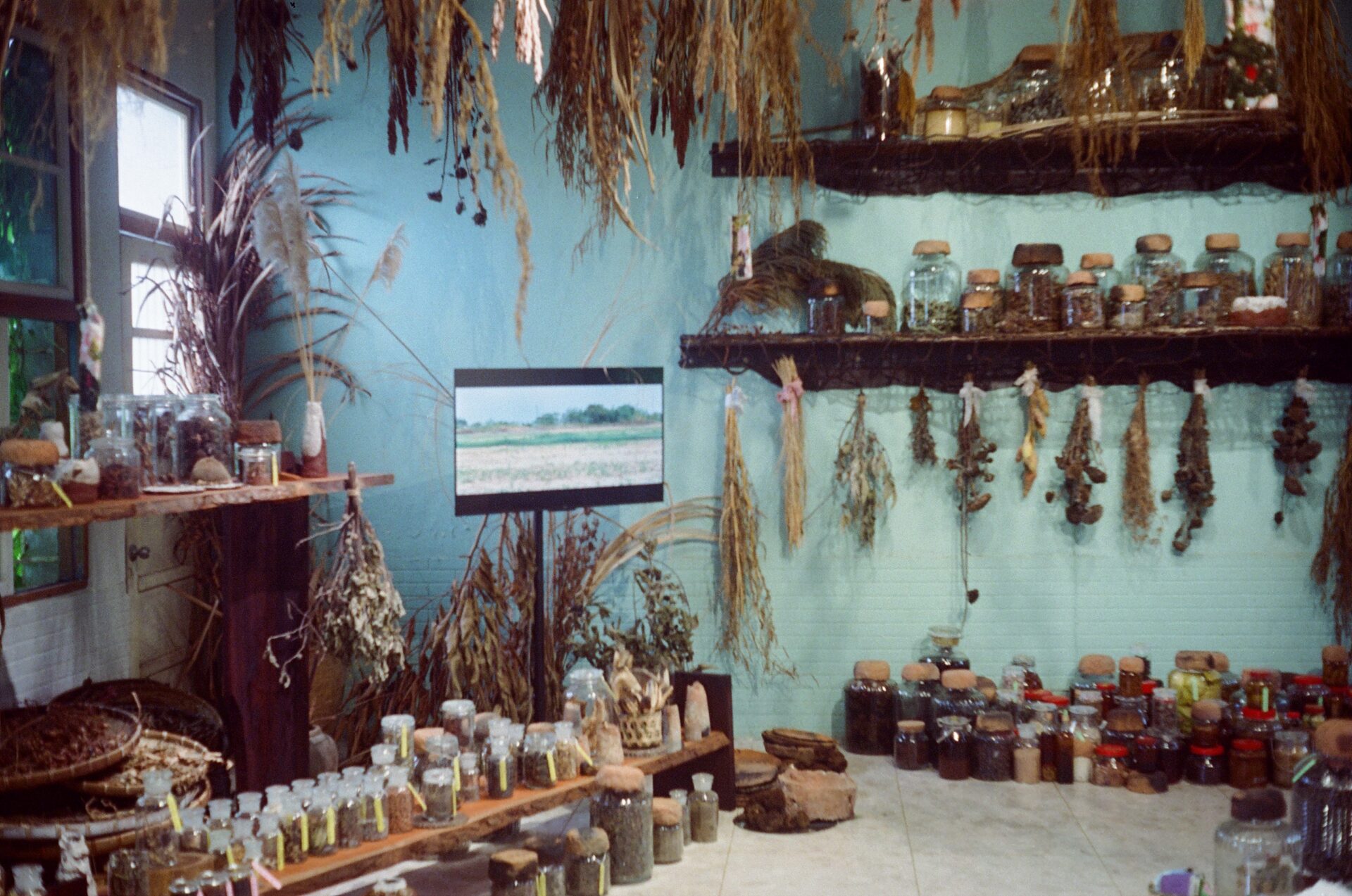
The exhibition brings together video documenting everyday farm work, an installation made with crops brought from the field, and a booklet of household recipes and food memories assembled through interviews with residents. Working the soil, growing, cooking, eating: through this sequence, labor and daily life rooted in the land emerge alongside memories passed on at the table.
Looking at the exhibition, I began to understand my own hours cutting weeds and then sharing a meal differently. They, too, had been part of cultivating relationships between this place and its people.
That field in Balin is an old asparagus field beside the Zengwen River, once cultivated by Grandma Laizhi (來枝) of the Balin community. It is also the starting point for my imagining of healing between people and land. We leave wild plants in place, plant abundant green manure, and introduce some of the seeds and plants preserved by local residents. We allow crops, native plants, insects, and animals to coexist freely, waiting for the land to slowly awaken.
I have always imagined people placing both feet in the soil, sensing the breath of the heart among the grasses and trees. The “earth’s table” is not simply built upon the land: it grows out of the soil as a place to share food. This field is in no hurry for a plentiful harvest. In the flow of the river, the seasons and time, gathering, planting, harvesting, and tasting can once again become a slow and tangible landscape of everyday life — a place where we nourish one another.
— From the exhibition text for That Field in Balin. English translation based on the Chinese transcription supplied by the author.
An old asparagus field beside the Zengwen River. The artist told me that she had moved to Balin a few years earlier and established her studio there. She also said that she had worked with photography as a student. Something of that experience seems to carry through into the interview booklet.
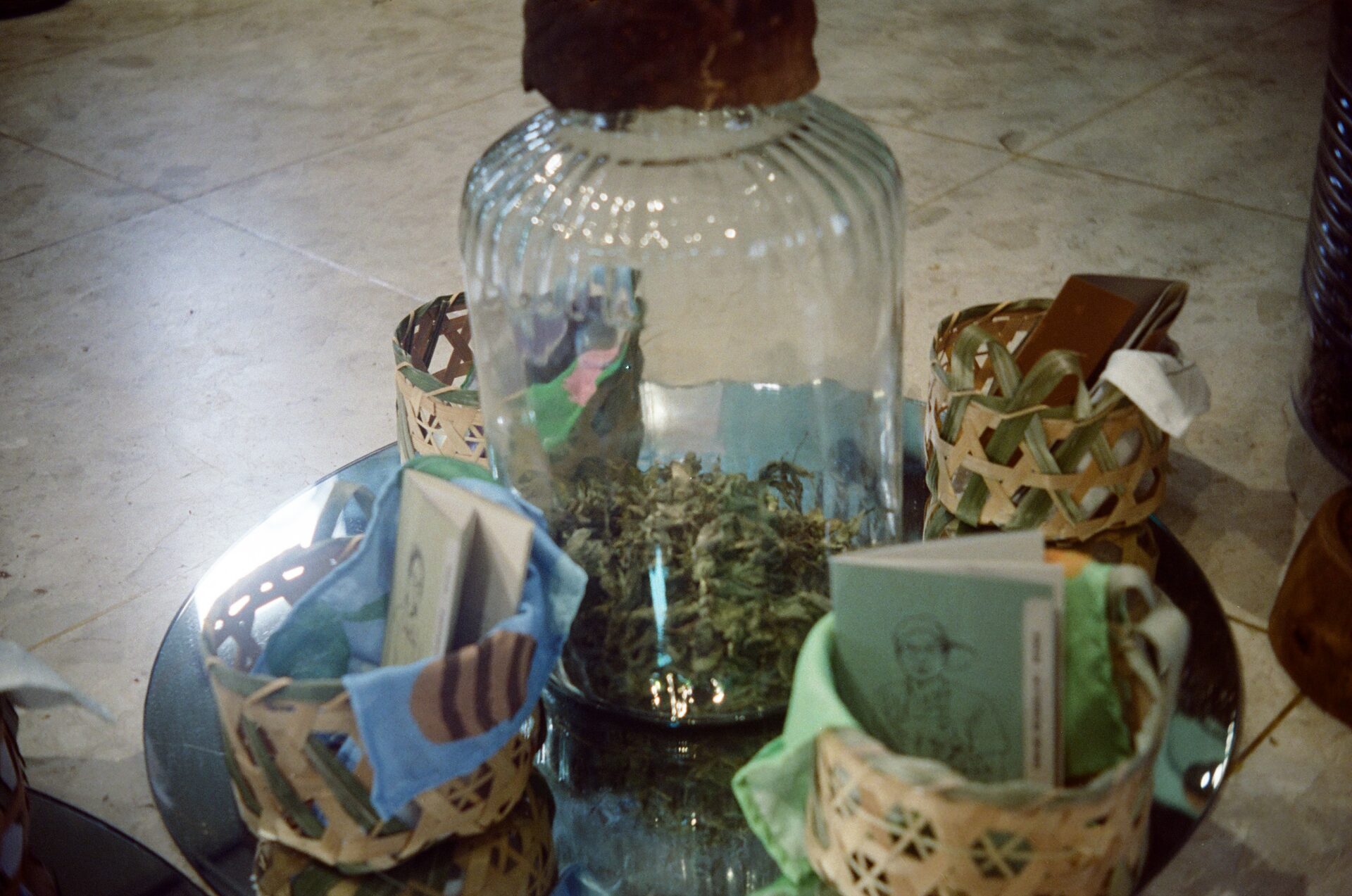
What Is “Taiwanese Food”? Memories That Resist a Single Name
If photography records what is before us while inviting us to imagine the time and memories behind it, food plays that role here. Asking about a single dish gradually brings farm work, family, the table, the seasons, and time spent on this land into view.
From outside Taiwan, names such as braised pork rice, beef noodle soup, and soup dumplings readily come to mind. But an island’s food culture cannot be contained in a handful of representative dishes. Even those who live there do not know every meal cooked and eaten on its soil.
I once researched breadfruit for a work I was making. When I asked a Taiwanese friend about it, they replied, “I’ve seen it, but I don’t know where to buy it.” Seen, but never eaten. That distance stayed with me.
Food memories cannot be fully grasped at the scale of a nation or region. They branch into finer histories: those of households, generations, villages, and individual lives.
One such dish may be 鹹瓜醃虱目魚頭, a milkfish-head dish prepared with salted melon, included in the booklet.
When I was little, my father and mother were always busy. Whenever she had time, my mother would prepare milkfish heads with salted melon for us to eat. We still eat this dish at home today. It is my favorite, and the dish from my childhood that I remember most fondly.
— Hu Fuhan (胡服漢), “鹹瓜醃虱目魚頭.” English translation based on the Chinese transcription supplied by the author.
This account concerns more than flavor. Behind the words “my father and mother were always busy” lie the work and family life of that time. A dish made in the gaps between obligations later becomes remembered as “mother’s cooking.”
This need not be a memory of regional cuisine shared by everyone. Someone else living in Tainan might never have heard of the dish. The booklet therefore reads as both a recipe collection and a small archive that gathers the memories of a place through food. Asking about cooking gives words to domestic time that would rarely otherwise enter a historical record.
Its approach echoes that of the field. Rather than preparing the land solely to harvest one crop efficiently, That Field in Balin leaves wild plants, grows green manure, and seeks to create an environment shared by many forms of life. The booklet likewise places different households’ tastes and memories alongside one another, without resolving them into a single story of “Taiwanese food.” Perhaps that story should begin with individual memories, rather than the other way round.
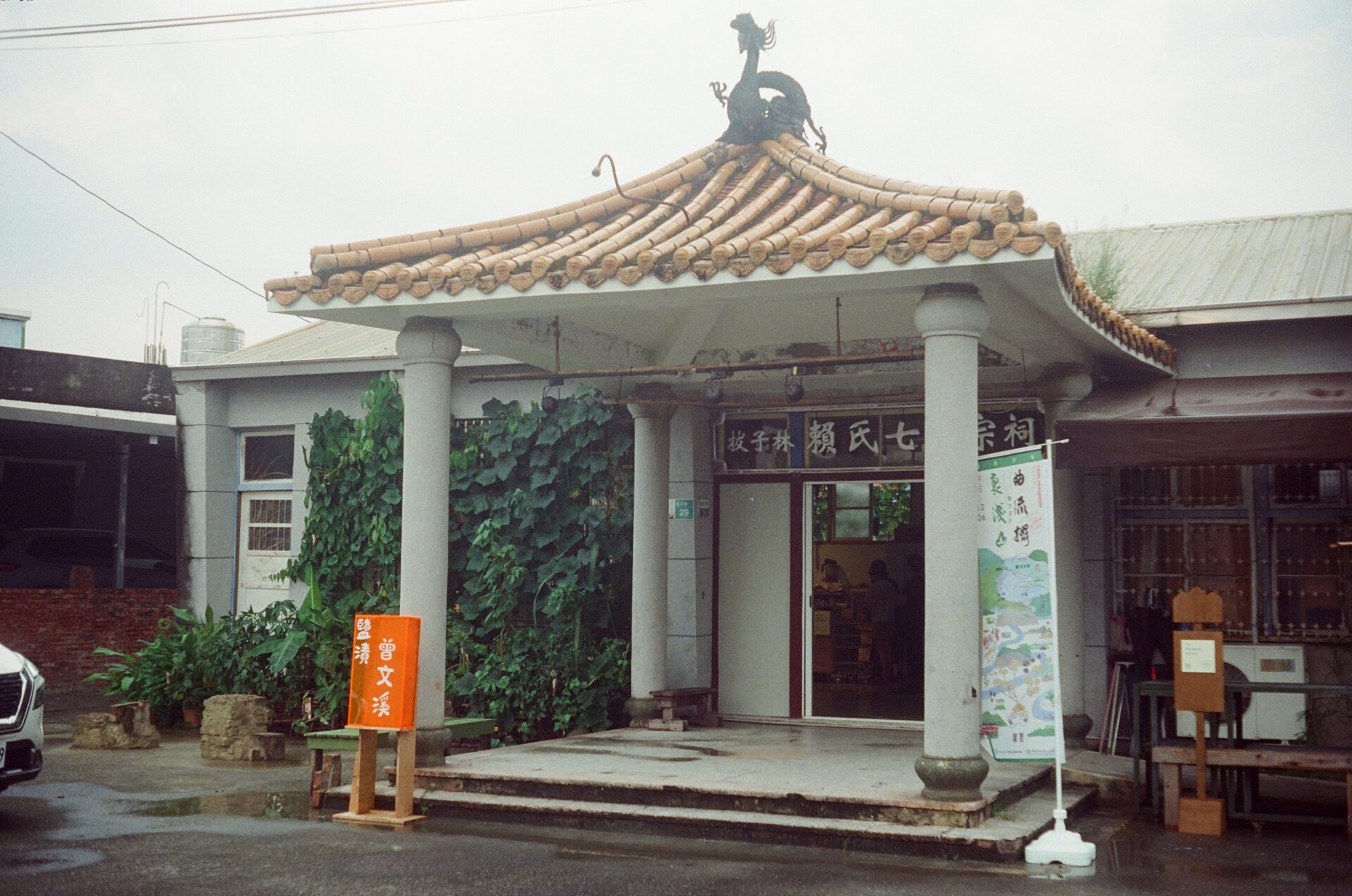
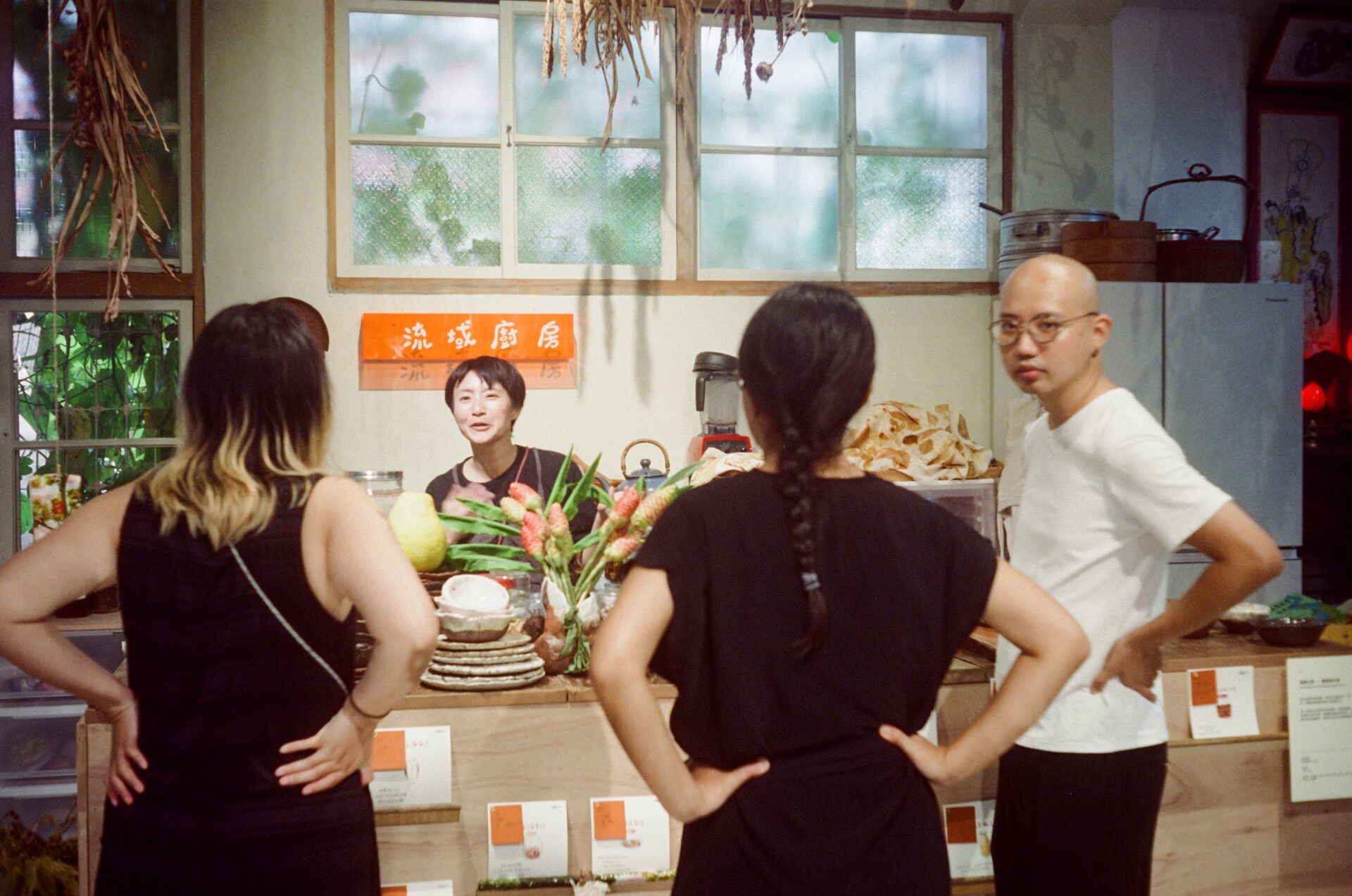
Letting Another Breeze Through Layers of Time
Yet time spent in the field does not necessarily reach an exhibition’s visitors intact. For me, the experience of the table connects the labor in the video with the food in the booklet. How does that continuity reach someone who has never been to the field? How far can video, crops, and a booklet share the time of everyday life? This remains an open question when considering the exhibition.
Thinking further about the agricultural landscape of this region leads to the history of the Chianan Irrigation System (嘉南大圳), built during Japanese rule. Work began in the 1920s and was completed in 1930, with Japanese engineer Hatta Yoichi (八田與一) leading its design and construction.
Modern irrigation is a technology for moving water, but also for reorganizing production and the rhythms of the land. This is not something the work directly states; it is a reading I bring to it from the history of this place. Leaving wild plants, refusing to rush the harvest, and waiting for the land to “slowly awaken” seem to place another kind of time upon a landscape organized for production.
Perhaps a garden is a place where the activities of different eras continue to accumulate. That Field in Balin can be read as a practice of working within those layers, cultivating the relationships that come next.
From shortly after my arrival in Taiwan until the festival began in September, I visited the field almost every week. Whenever we finished working, the artist would cook in an earthenware pot, and we would gather around the table.
My Chinese is not very good, after all. Sometimes I brought along a friend who spoke English. A slightly different group of faces gathered around the same table each time.
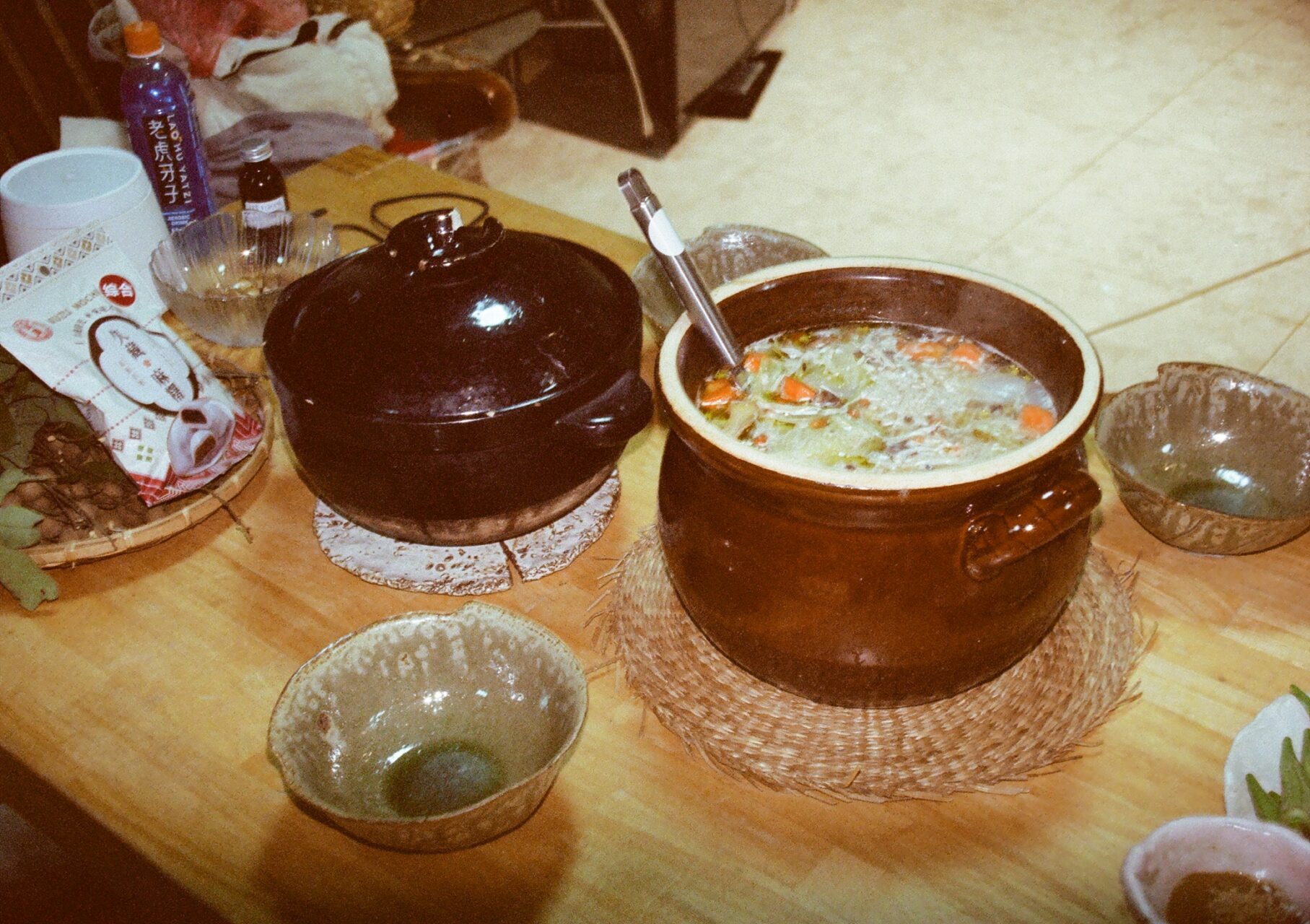
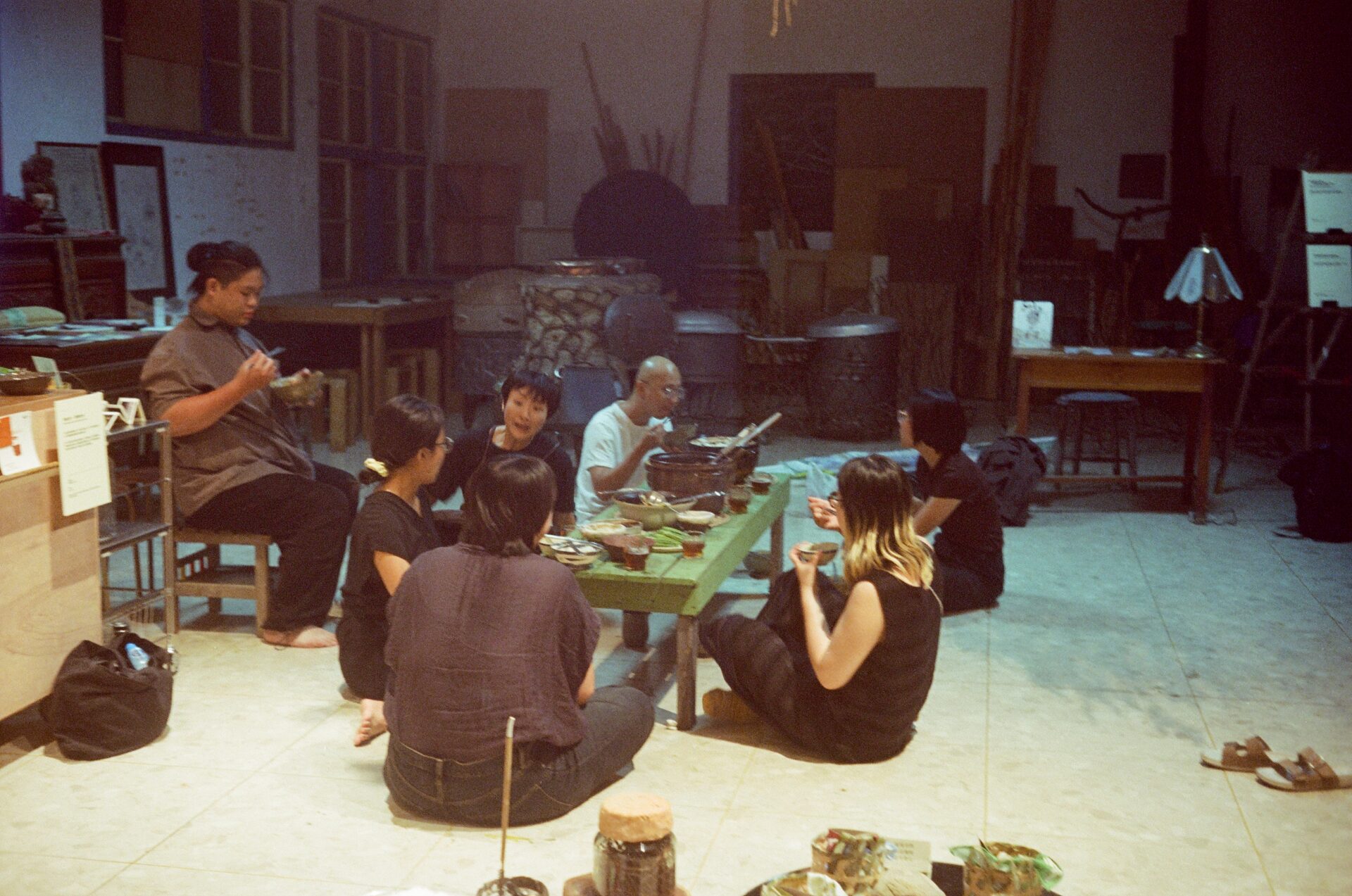
My reasons for going to Balin were surprisingly simple. I wanted to move my body. I wanted more chances to speak Chinese. Above all, the food was good.
Looking back, though, I think there was more to it. Cutting weeds, touching soil, gathering around a pot once the work was done. Time moved there a little differently from time in the city. Getting to know someone, learning about the land, producing a result — none of it had to be hurried.
Perhaps what I was allowed to enjoy in that field was a slightly extravagant kind of grown-up play in the dirt: a small way of resisting a society that keeps accelerating.
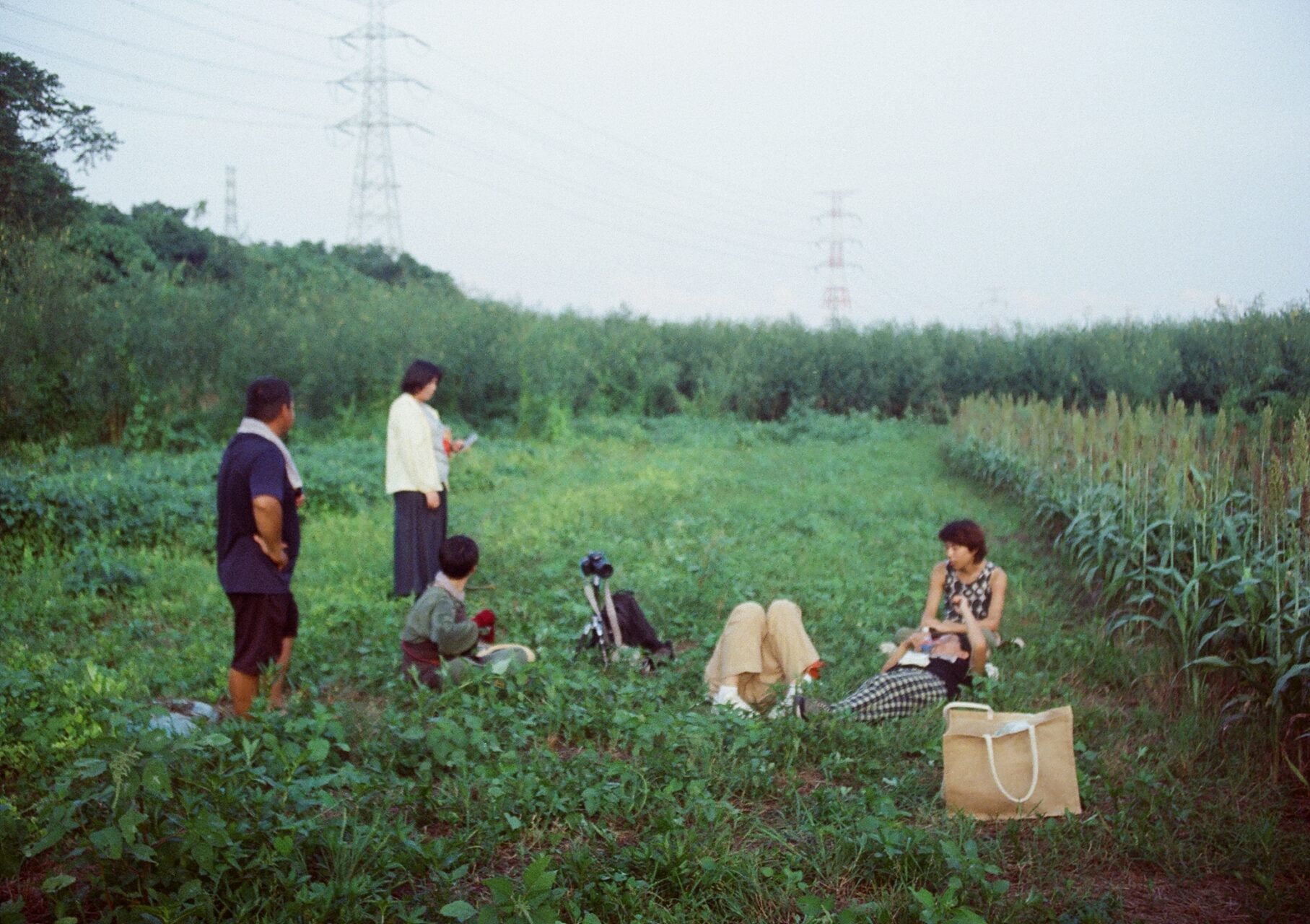
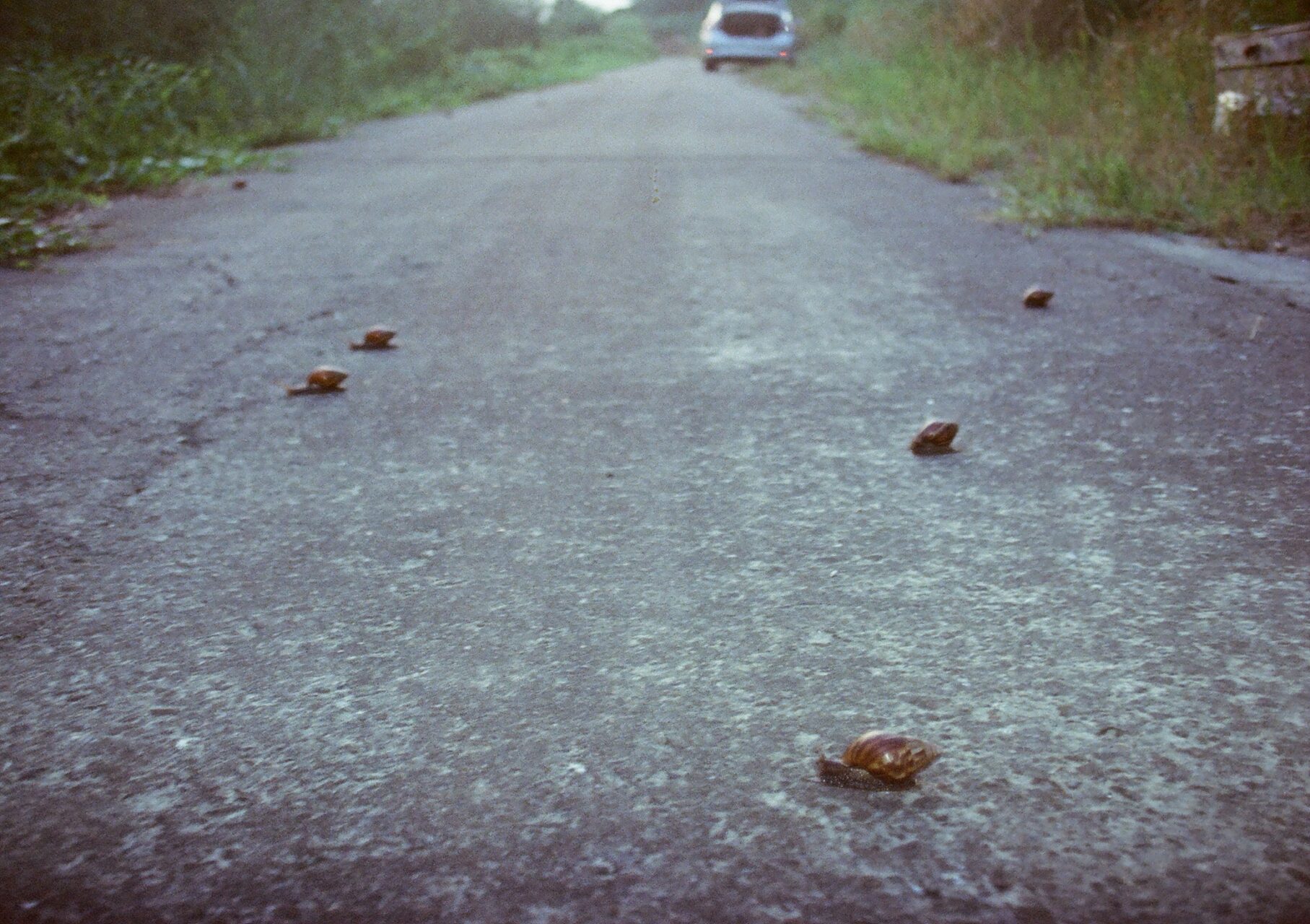
Looking back, the time I spent in Balin returns, by another route, to the question of the garden raised at the beginning: to the places that slip out of human management in Gilles Clément’s Manifesto of the Third Landscape; to the garden Jarman grew on barren ground; and to the Creole gardens discussed at the Venice Biennale, which sustain everyday life under conditions of constraint. Their histories differ, but they resonate with That Field in Balin in the way they step back a little from arranging a place according to human wishes, seeking instead a relationship with the life already there.
In this field, seeds offer a way to trace the provenance of the land, and through it, people’s memories. These seeds are perhaps a little different from antiques at a flea market. We still eat what grows from them. They do more than carry something of past lives: through planting, growing, and eating, relationships are perhaps still being formed.